By style
Watch styles
Five categories, each invented to solve a specific problem. Knowing which problem is how you stop buying the wrong watch twice.
Every watch style on this page started as an answer to a job. Divers needed to know how long they had been under. Soldiers needed to read the time in a trench at night. Pilots needed a second time zone. Then the jobs went away — a dive computer does the first, a phone does the last two — and the shapes stayed, because they were good shapes.
That history is not nostalgia, it is buying information. A style built for a job carries the engineering that job required, and that engineering is exactly what makes a watch survive twenty years of not doing the job. Dive watches got screw-down crowns and 200m cases. Field watches got legibility and small, tough cases. Dress watches got thin, which came at the cost of the water resistance the other two have.
The five, in one paragraph each
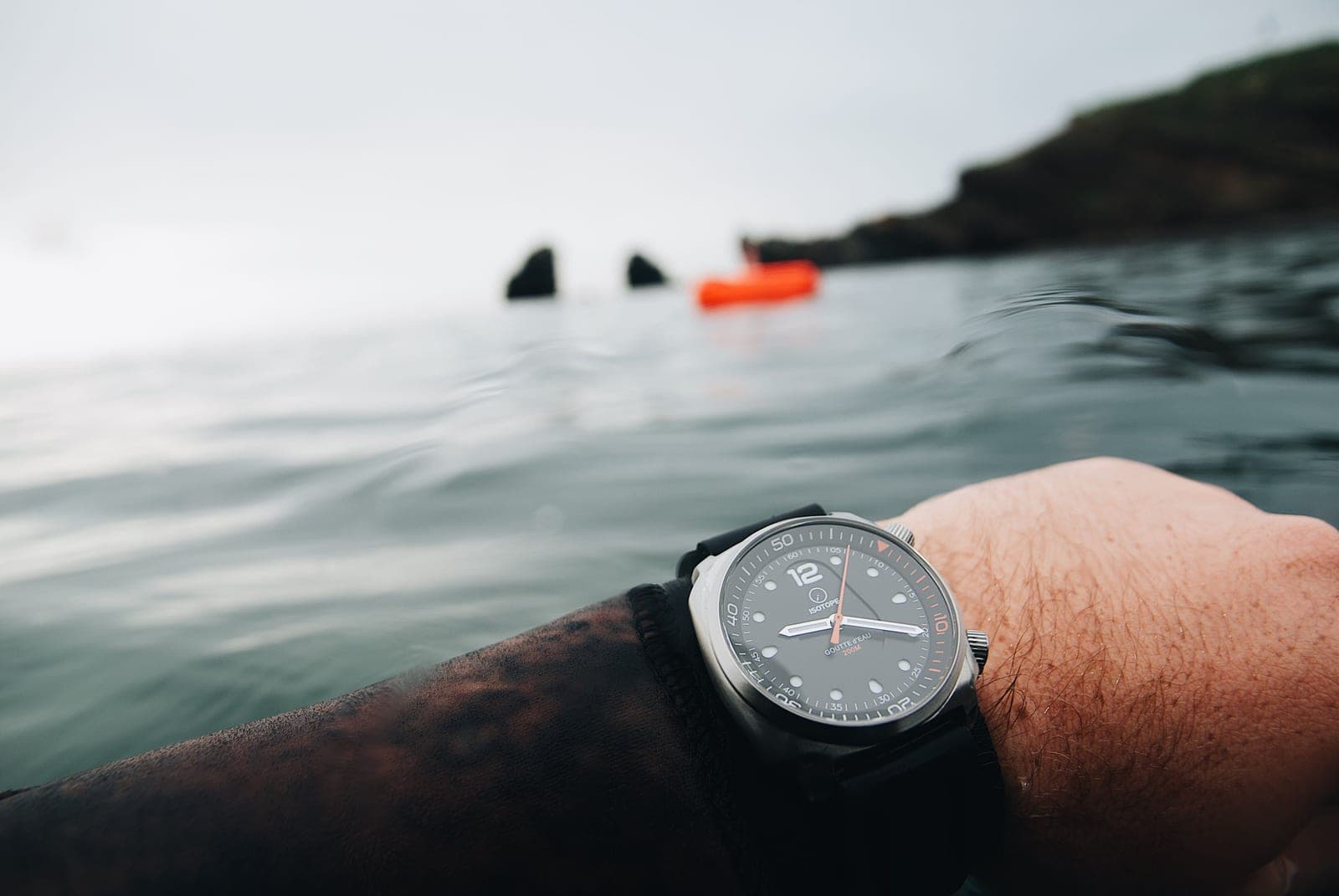
- [Dive](/styles/dive-watches). 200m or better, screw-down crown, unidirectional timing bezel. The most over-engineered watch you can buy and, for that reason, the most sensible single watch for someone who wants to stop thinking about it.
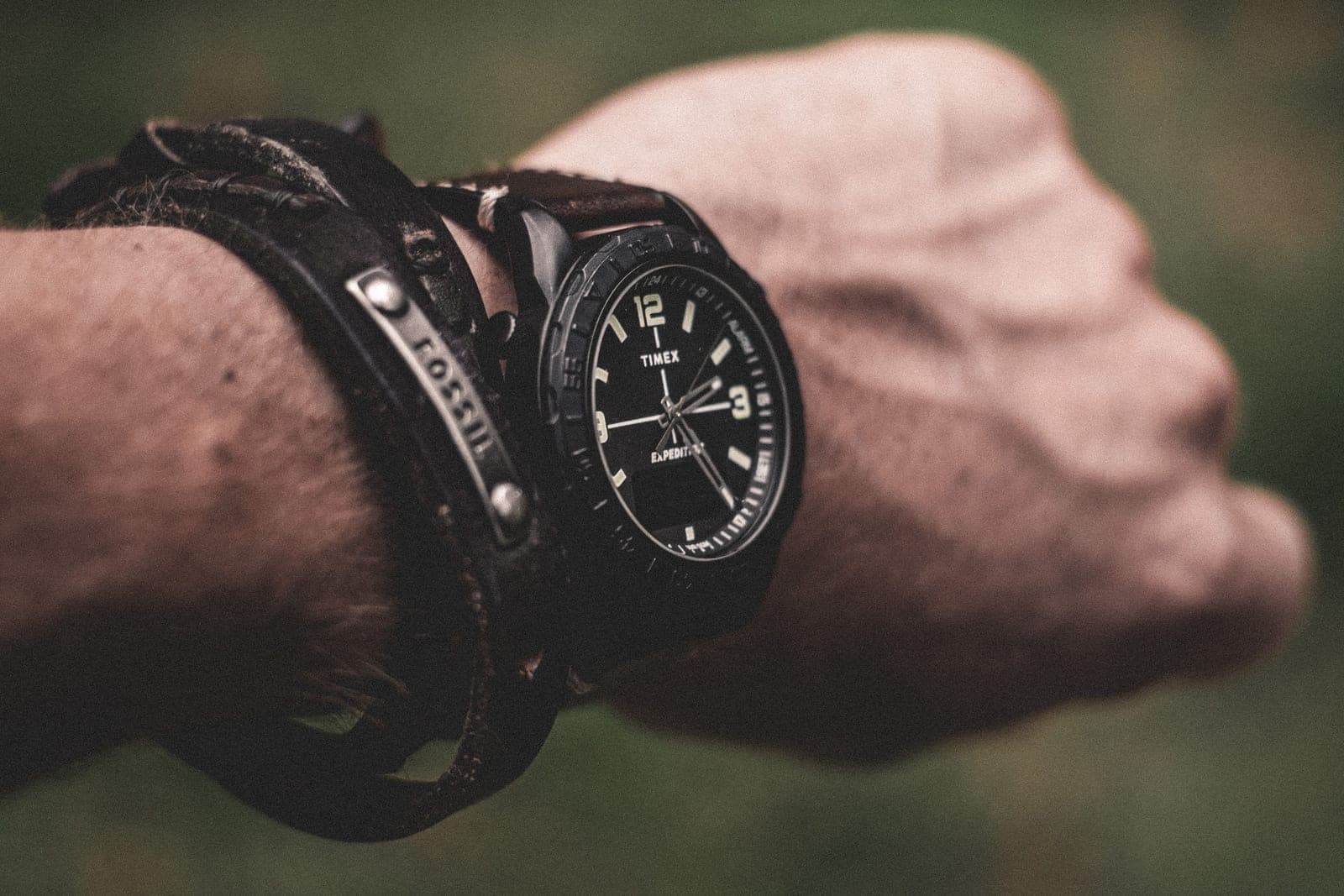
- [Field](/styles/field-watches). Small, legible, tough, usually 36-40mm. The style that has aged best, because it was designed around reading the time and nothing else.
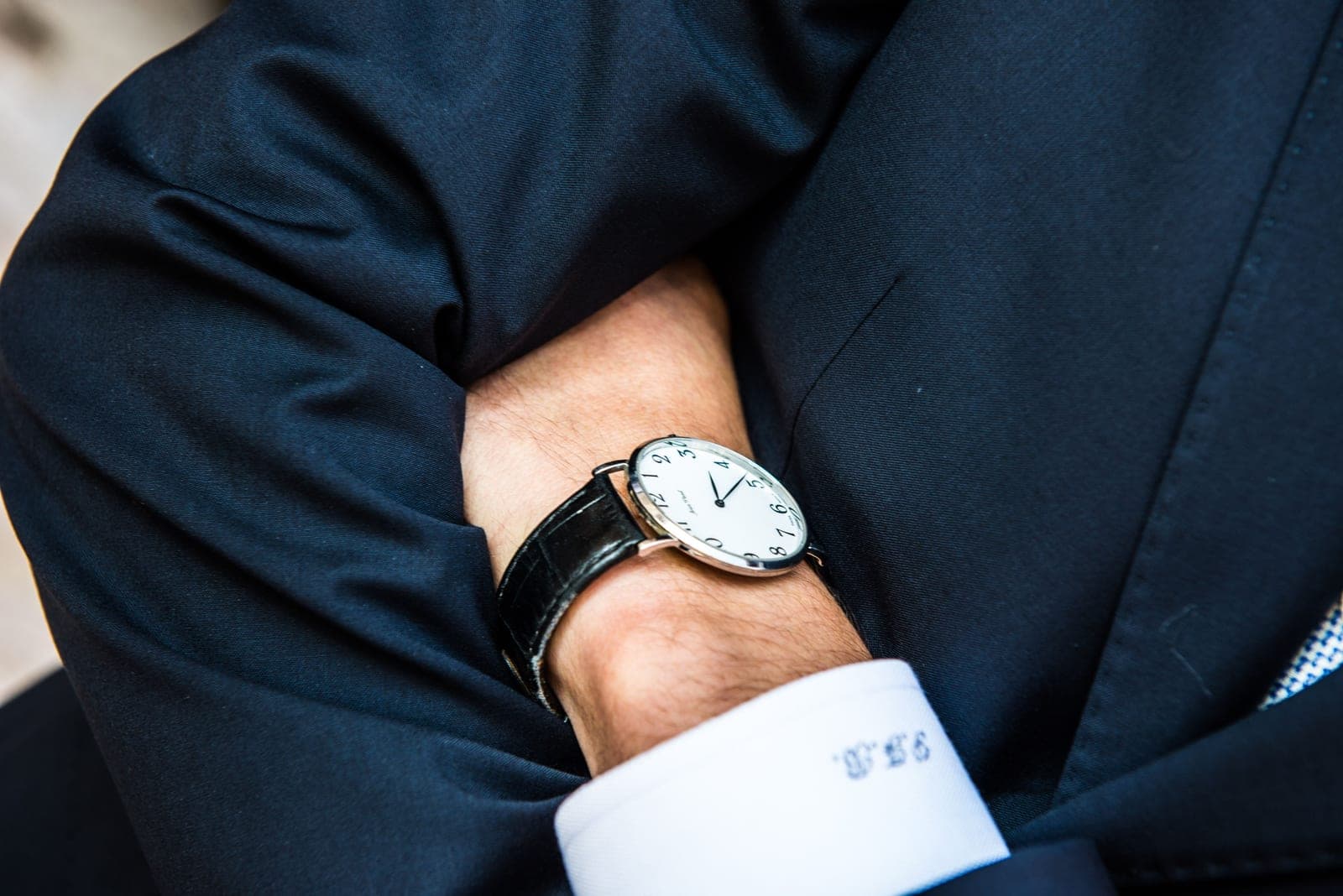
- [Dress](/styles/dress-watches). Thin, clean, usually 30-50m. Buys elegance by giving up the water resistance that keeps other watches alive. Fine as a second watch, risky as your only one.
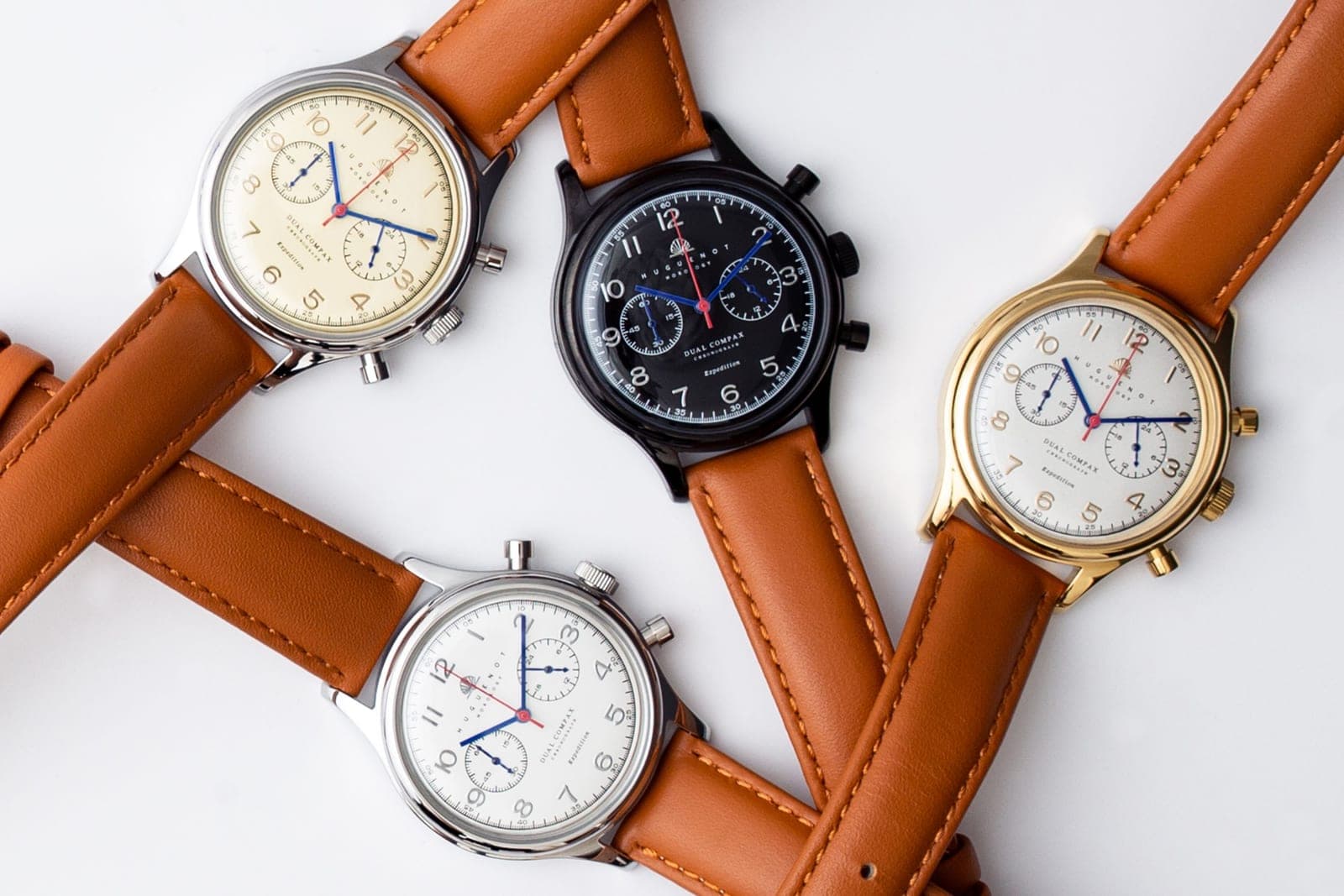
- [Chronograph](/styles/chronograph-watches). A stopwatch on your wrist. The most complicated thing most people will own, and the most expensive to service — which is the honest reason it sits fourth on this list.
- [GMT](/styles/gmt-watches). A second time zone on a 24-hour hand. Genuinely useful if you travel or work across time zones, and pointless decoration if you do not.
Every page in this section
Start here
Field
Field watches
Legible, 36-41mm, tough — the style that dates least. Picks under $300 and in automatic.
Dress
Dress watches
Thin, formal, usually 30-50m. Excellent second watches — and why that word matters.
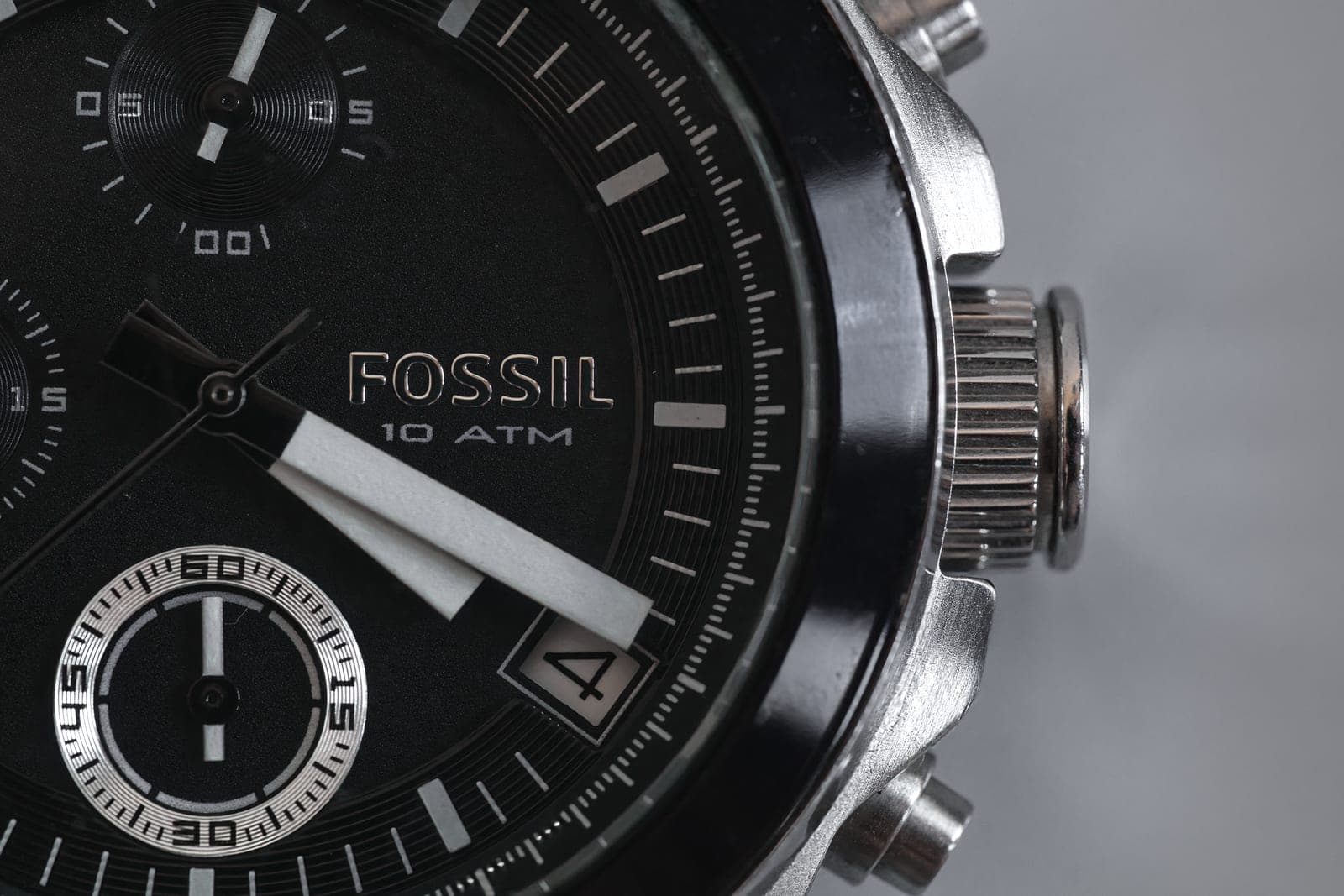
Chronograph
Chronograph watches
Stopwatch complications, with the service premium stated up front rather than buried.

Which style survives which life
| If your days involve | The style that fits | Why |
|---|---|---|
| Water, weather, tools, kids | Dive | 200m and a screw-down crown mean you stop taking it off, which is when watches actually get damaged |
| A desk, then a trail at the weekend | Field | 36-40mm, legible, 100m — nothing to catch on a cuff and nothing to worry about outdoors |
| A suit two or three times a month | Dress | Thin enough to slide under a cuff, which no dive watch is. Buy it second, not first. |
| Timing things you could time on a phone | Chronograph | Buy it because you like it. The function is not the reason and pretending otherwise leads to regret. |
| Calls, flights or family in other time zones | GMT | The one complication that still does something your phone does more clumsily on your wrist |
The size question, which is really the lug-to-lug question
Case diameter is the number everyone quotes and it is the wrong one. Lug-to-lug — the distance from the tip of one lug to the other — is what decides whether a watch overhangs your wrist. A Seiko SRPG39 is 39.4mm across and 48.1mm lug-to-lug; a Baltic Aquascaphe is 39mm across and 47mm. Meanwhile a Seiko Turtle reads 45mm and wears smaller than either, because its cushion case has no protruding lugs at all.
Measure the flat top of your wrist. If it is under 165mm around, keep lug-to-lug under about 47mm and you will not go wrong. We print lug-to-lug on every watch on this site where the manufacturer publishes it, and print "not published" where they do not — which is itself informative. More on small wrists.
If you are only buying one
Buy a dive watch or a field watch. Both are rated for the way people actually live, both are legible, and both can be dressed up further than watch forums admit. A dress watch as an only watch means taking it off to wash your hands for the next twenty years, and a chronograph as an only watch means paying for a complication you will use twice a year and service at chronograph prices.
If you want the single most defensible answer on the whole site, it is on the watches that last a lifetime page — which is a style-agnostic list built purely on what survives.
Questions people actually ask
What is the difference between a field watch and a dress watch?
A field watch is built for legibility and toughness — high-contrast dial, tough crystal, usually 100m water resistance. A dress watch is built to be thin and quiet under a cuff, and buys that by giving up water resistance, usually to 30 or 50m. Full comparison on the field watch pages.
Can you wear a dive watch with a suit?
Yes, and people have for sixty years. A 39-40mm diver on a steel bracelet slides under most cuffs. A 45mm one does not, and a rubber strap will always look like what it is.
Do I need a chronograph?
Almost certainly not, in the sense of needing the function — your phone times things better. Buy one because you like the dial layout and the pushers, and budget for the fact that a mechanical chronograph costs roughly 50% more to service than a three-hand watch.
Is a GMT worth it if I do not travel?
Not for travel, but the second hand is useful for anyone with family, colleagues or clients in another time zone. If neither applies, you are buying a busier dial, which is a taste decision rather than a functional one.
Read next
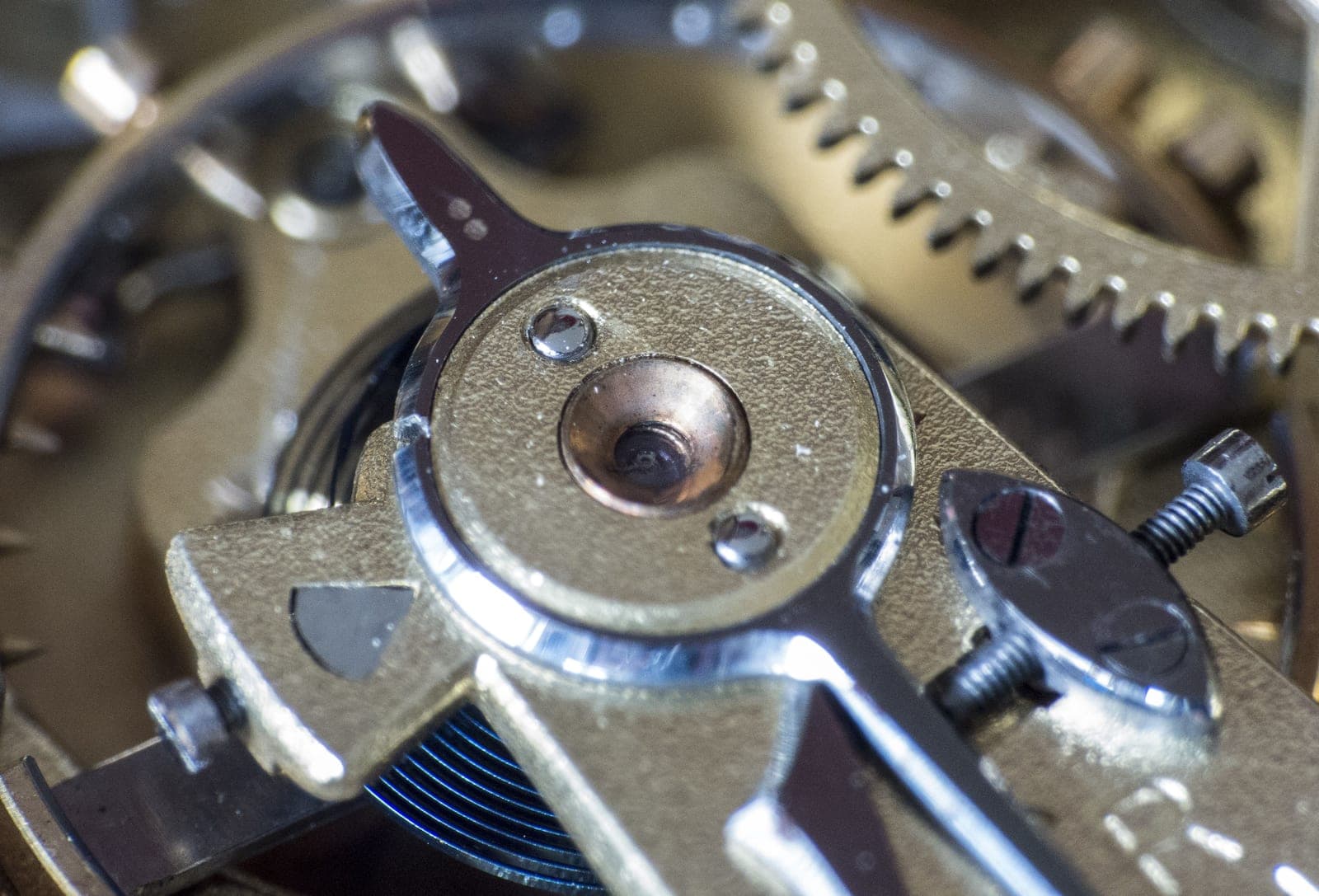
Automatic watches
Every automatic tier from under $200 to under $2,000, plus servicing costs and how long they last.

Watches by budget
Under $100 to under $2,000, scored identically so the tiers are genuinely comparable.
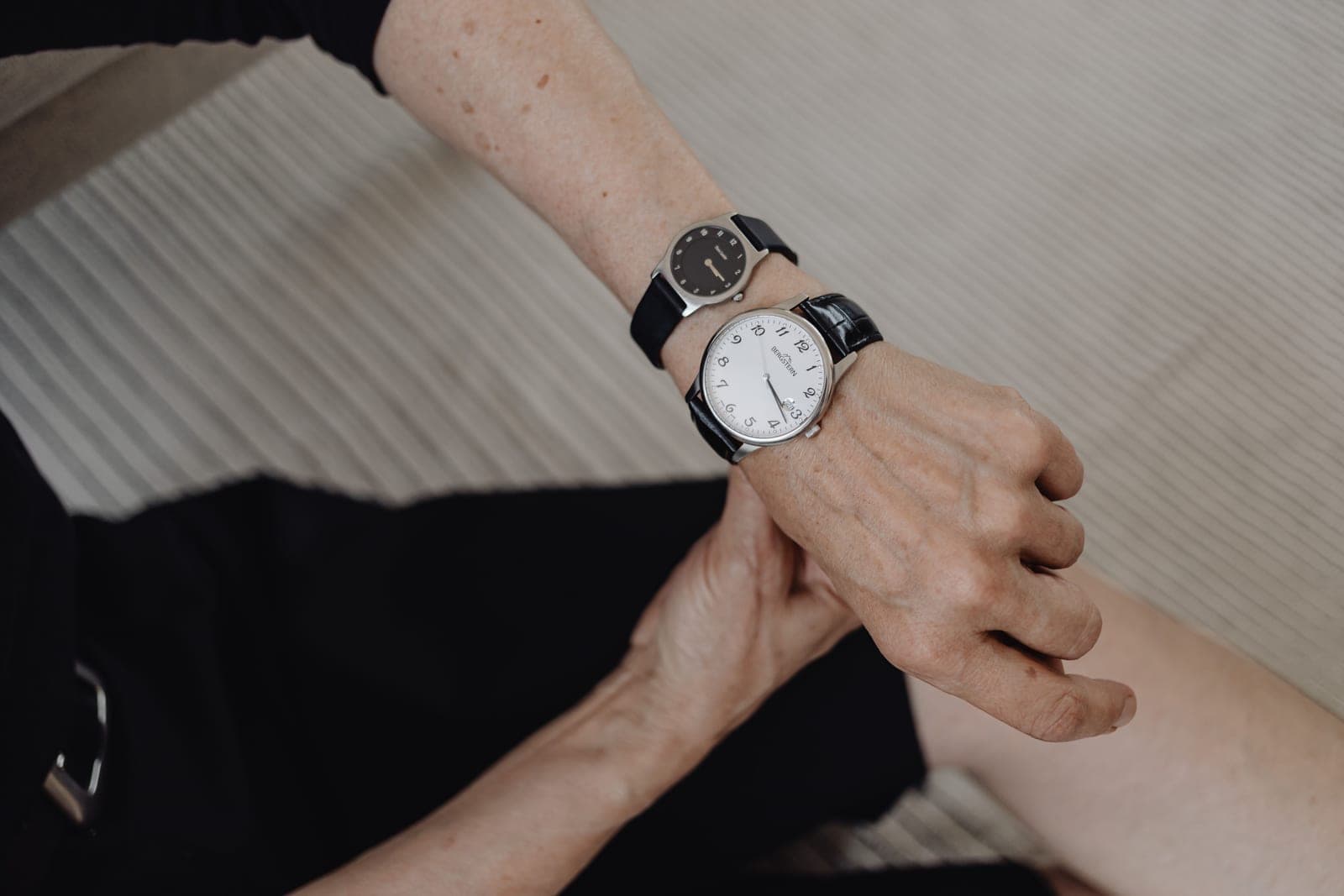
Best watches for small wrists
Eight watches under 48mm lug-to-lug, with the measurement that actually decides fit.