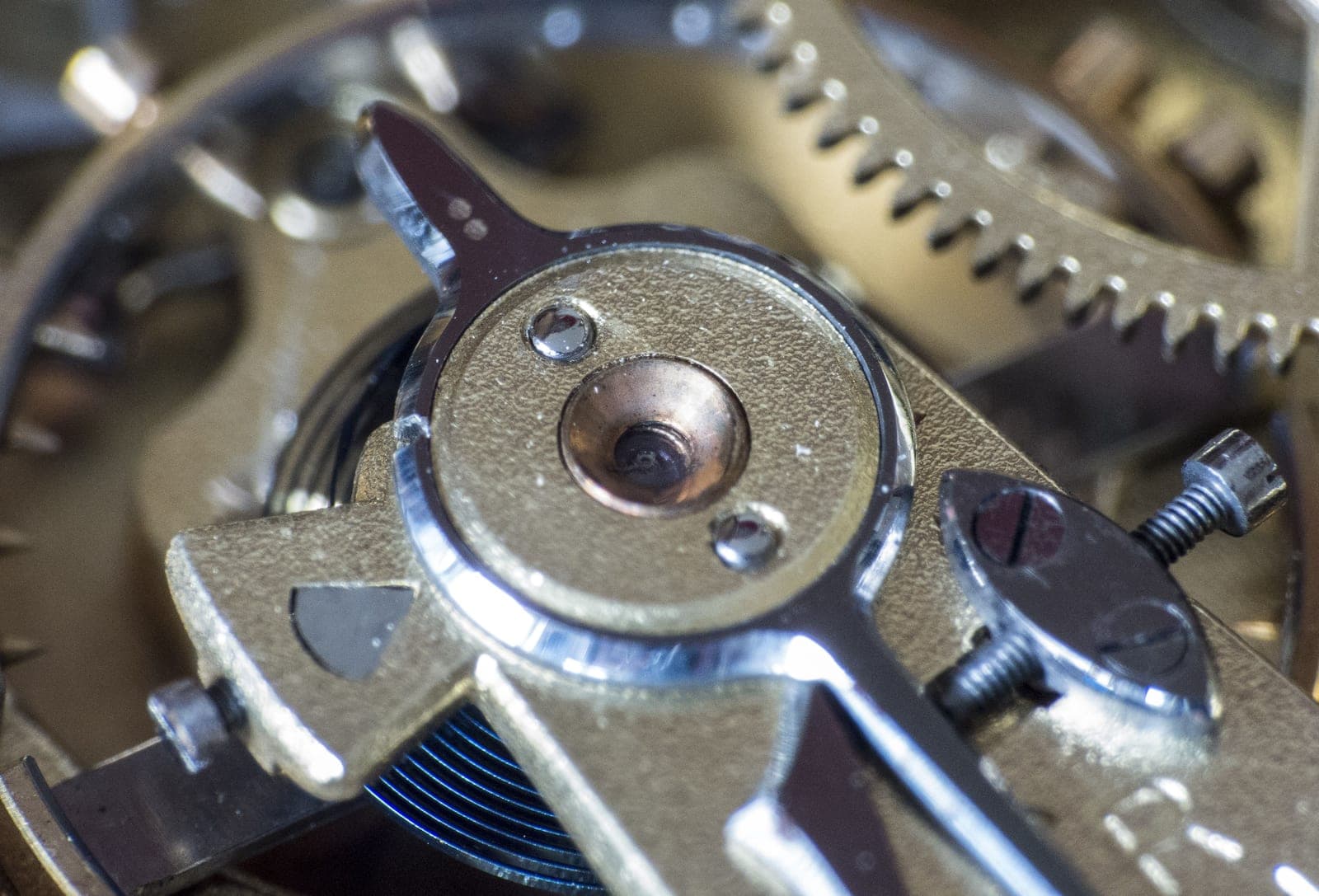
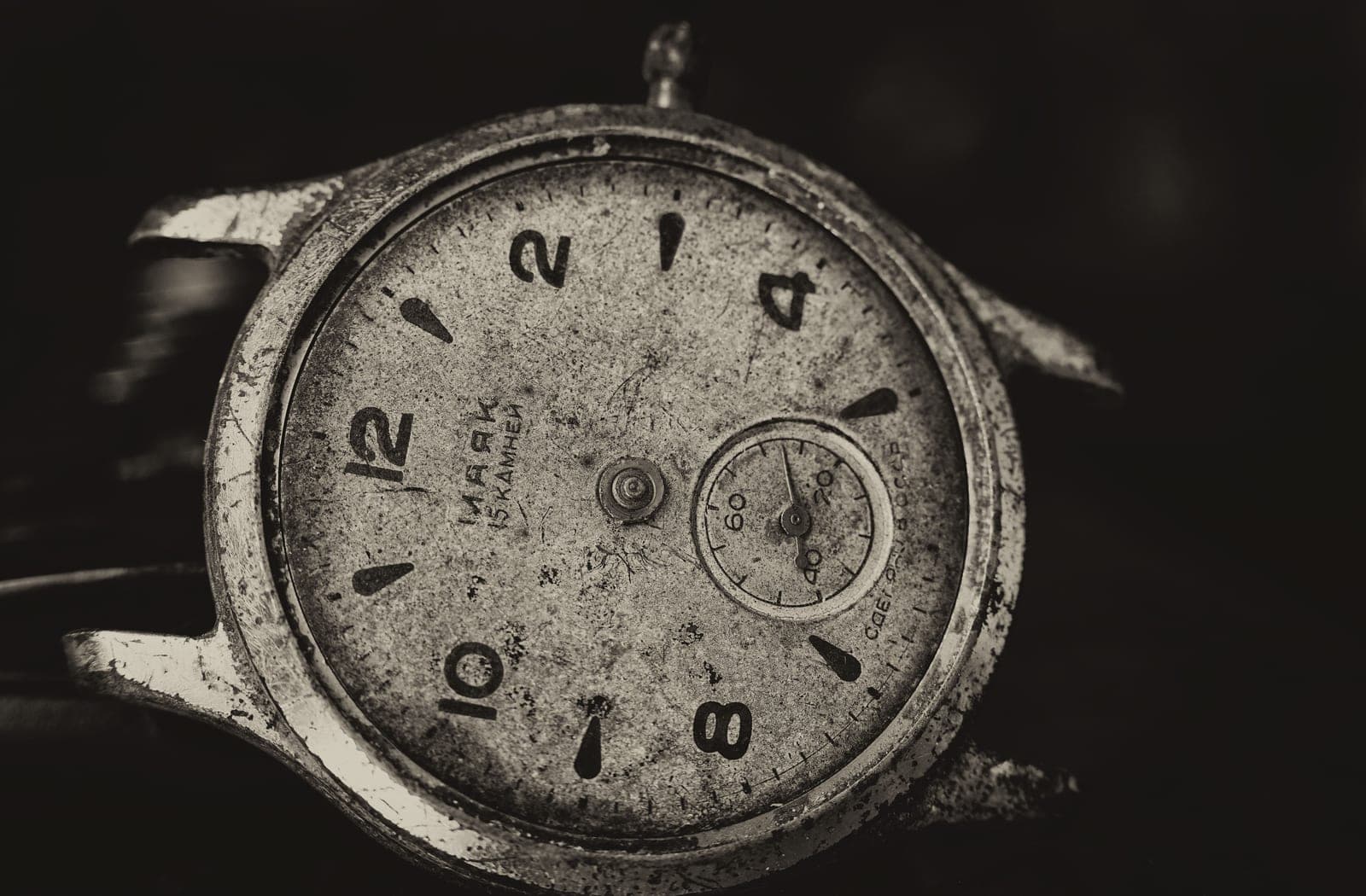
A mechanical movement is the one part of a watch that can be rebuilt indefinitely. That is the whole argument for buying one — and the reason servicing is not a footnote.
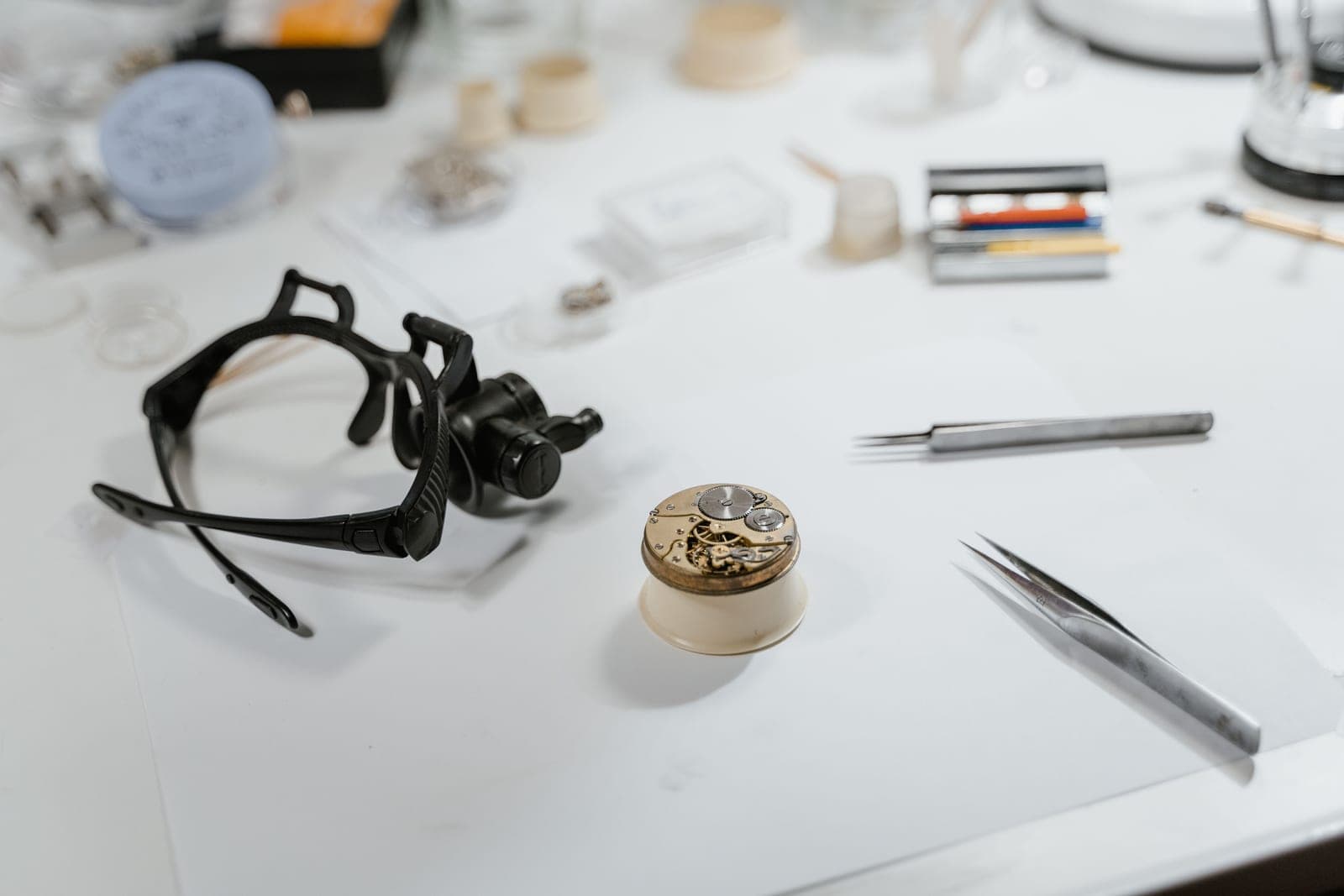
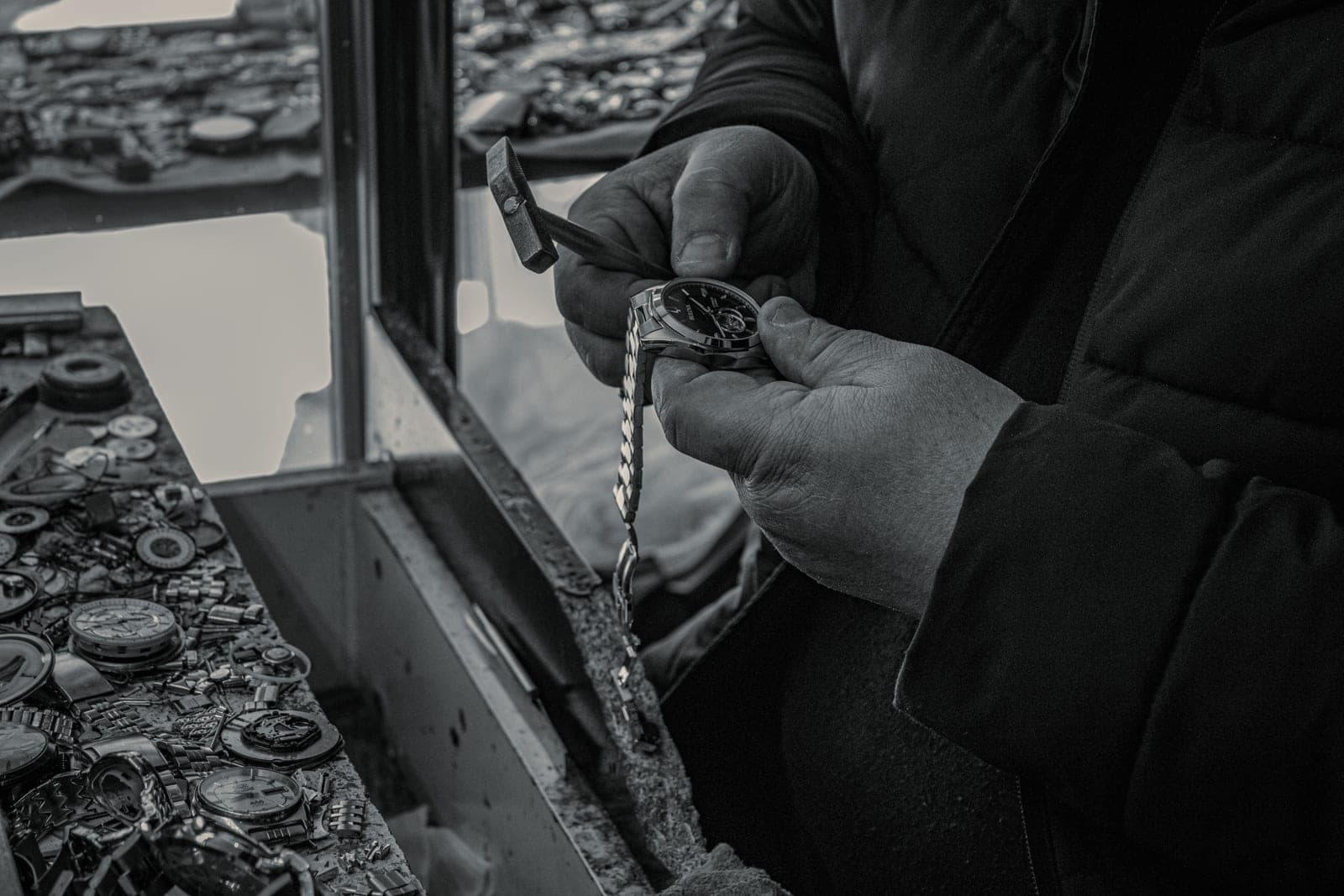
An automatic watch is a machine you wind by walking around. There is no battery, nothing to replace every two years, and — this is the part that matters if you intend to keep it — nothing inside that cannot be taken apart, cleaned, lubricated and put back to specification by anybody with the right parts and a bench.
That is a genuinely different proposition from a sealed quartz module, and it is why this section exists. A quartz watch is a consumable with a long life. A mechanical watch is a repairable object. Both are legitimate purchases; only one of them can plausibly outlive you.
The catch, and nobody in this category likes talking about it, is that repairable means it will eventually need repairing. Seiko recommends servicing an automatic about every three years. A 4R36 overhaul at Seiko's own service center is $176; a 6R35 is $296; Tissot charges $210 for a complete service of a mechanical two- or three-hand watch in the US. Those are published numbers, not estimates, and they are the second half of the price of every watch on the pages below.
Below, the tiers. Every page ranks its picks on the same six published specifications, so a score in the under-$300 roundup means exactly what it means in the under-$2,000 one — which is the only way to see honestly what an extra thousand dollars buys and what it does not.
Not as much as the price gaps suggest, and not in the places the marketing points at. Working from the specifications on the pages below, here is what genuinely moves.
Around
What you reliably get
What you still do not
$150-250
A hacking, hand-windable automatic with a 40-hour reserve, 100m, mineral or Hardlex crystal
Sapphire, on most models. A published accuracy figure.
$250-400
Sapphire starts appearing (Orient fits it at this level), 200m on dive models, three-year warranties
A published accuracy spec. A power reserve beyond ~42 hours.
$400-700
Sapphire as standard, 70-80 hour reserves, a stated accuracy tolerance
Much. This is where the value curve flattens hardest.
$700-1,200
Swiss movements, Nivachron antimagnetic hairsprings, 80 hours, finishing you can see
A meaningfully more durable watch than the tier below.
$1,200-2,000
300m ratings, in-house finishing, better bracelets and clasps
Anything that changes the service interval or the odds it survives.
The uncomfortable conclusion, if you are buying to keep rather than to enjoy: most of the durability you can buy is available by about $400, and almost all of it by $700. What the money above that buys is finishing, feel and pleasure — which are real things to want, and are not the same thing as longevity.
The four specifications that decide whether it lasts
01The caliber, by name. Not "automatic" — the actual number. A 4R36, an NH35, a Miyota 9039, an H-10. A named, in-production caliber means parts exist and any competent watchmaker can quote you. A movement the maker will not name (Timex does this on its automatics) means you cannot find out what a service costs before you buy.
02The crystal. Sapphire will look new in twenty years. Hardlex and mineral will not, and cannot be polished. Acrylic scratches in a week and buffs out in a minute, which on a long horizon is better than it sounds.
03The water resistance rating. 30m is rain. 100m is swimming. 200m is a diver's rating with a screw-down crown. Water is what kills watches that are otherwise fine — see water resistance explained.
04The lug width. A standard even number (18, 20, 22mm) means straps forever. An integrated bracelet means that when the bracelet wears out, the watch is finished, however healthy the movement is.
Where to start
If this would be your first mechanical watch, start at your first automatic — it is the same picks, sequenced for someone who has not owned one before, and it explains what "hacking" and "hand-winding" buy you before asking you to care. If you are choosing between mechanical and quartz at all, automatic vs quartz is the more useful page and settles it faster than a roundup will.
Questions people actually ask
Do automatic watches need servicing?+
Yes. Seiko recommends servicing about every three years, because the oils inside age and worn parts start costing accuracy. Skipping it does not stop the watch immediately — it makes the eventual repair bigger. Published service prices start at $137 for Seiko's 7S calibers and $176 for the 4R family.
How long does an automatic watch last?+
Indefinitely, if it is serviced and parts are available — which is why the caliber matters more than the case. The realistic limit is not wear but parts supply: an in-production caliber like the 4R36 or NH35 can be kept running essentially forever, while an obscure or discontinued movement eventually cannot.
Is a cheap automatic worth it?+
It depends entirely on whether the caliber is a named, in-production one. A $180 Seiko on a 4R36 is worth it, because a $176 service returns it to spec. A similarly-priced watch with an unnamed movement is not, because when it stops there is nothing to quote and nothing to fit.
Automatic or hand-wound?+
Hand-wound is mechanically simpler — no rotor, fewer parts, and a thinner case. Hamilton's Khaki Field Mechanical is 9.5mm thick against 11mm for the automatic version of the same watch. The trade is that you wind it every day or two rather than never.
Sources
Every specification and figure on this page came from one of these documents. Where a manufacturer does not publish something, the page says so rather than filling the gap.