Skip to content
Hands assembling a watch at a small workbench

Microbrands

Microbrand watches

Sapphire, titanium and 200m at prices the big names cannot match. The catch is what happens in year eight, and nobody selling them wants to discuss it.

A microbrand is a small company that designs a watch, buys a movement from Seiko Instruments or Miyota, has cases made, and sells direct with no dealer margin in between. Take out the retailer and the advertising, and the same money buys noticeably more watch.

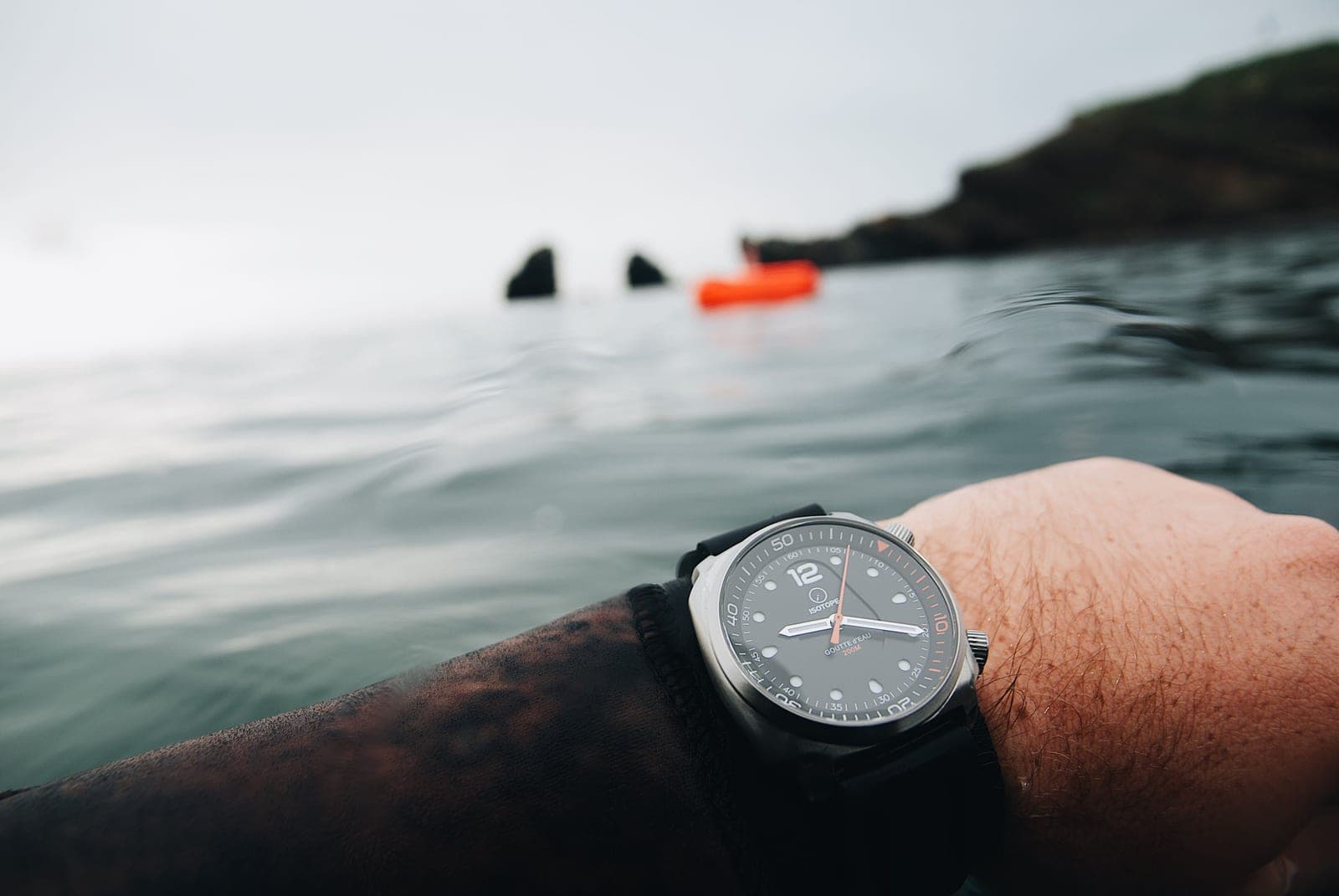
The numbers make the case better than the argument does. BOLDR's Venture is a 38mm titanium case, flat sapphire, 200m, on an NH38A automatic. Baltic's Aquascaphe is 39mm and 200m with a sapphire crystal and, unusually, a sapphire bezel insert — the part that fades on aluminum and chips on ceramic. Both sit at prices where the household names are still fitting mineral glass.

The trade you are actually making

For a buyer who wants to keep a watch for twenty years, the interesting risk is not quality. It is institutional: a microbrand is a small company, and a small company may not be there in 2046 when your crown tube needs replacing.

  • Movements are fine. Almost every microbrand here uses a Seiko Instruments NH-series or a Miyota — the most widely serviced automatic calibers on earth. Any independent watchmaker can rebuild one. This risk is genuinely low.
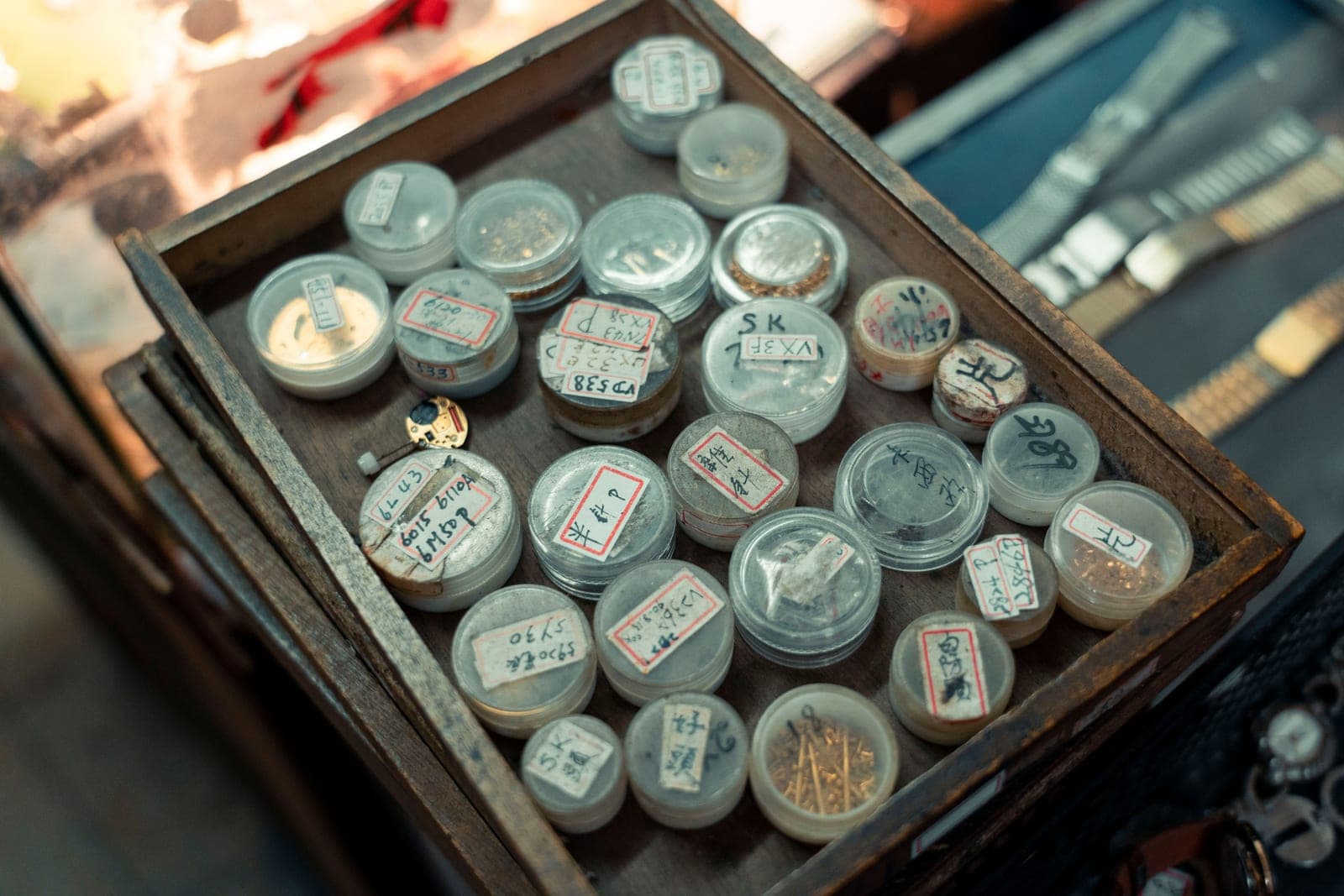
  • Case parts are the exposure. Bezel inserts, crystals, crowns, gaskets and bracelets are made for that model in that run. If the company folds, so does the parts supply, and a broken crystal can end an otherwise healthy watch.
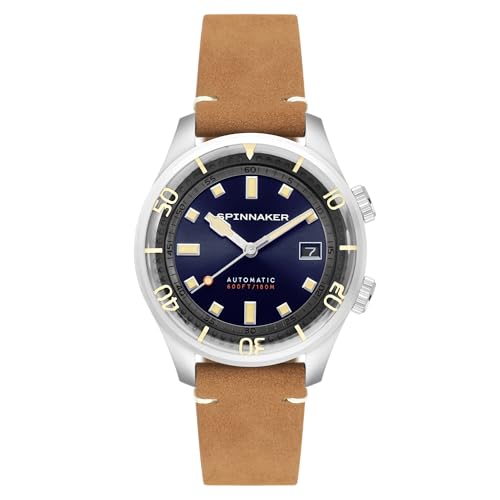
  • Warranty terms vary and are often unstated. Baltic and BOLDR do not state a warranty term on the product pages we read. Spinnaker states two years. Seiko states three; Citizen states five. That gap is real and we score it.
  • Resale is thinner. Fewer buyers know the name. If you intend to keep the watch this is irrelevant, and if you do not, it is the whole story.
Every page in this section

Start here

How to tell a real microbrand from a drop-shipper

The category has a bottom half full of identical cases with different logos, and separating them is easier than it looks. Four checks, all of which take a minute:

  1. Is the caliber named? "Japanese automatic movement" is not a name. NH35, NH38A, Miyota 9039 and F6922 are names. A brand unwilling to say which movement is inside is telling you something.
  2. Are the dimensions complete? Case diameter, thickness, lug-to-lug and lug width should all be on the product page. Baltic publishes all four. A missing lug-to-lug usually means it is unflattering.
  3. Is there a stated warranty term? Not "we stand behind our watches" — a number of years.
  4. How long have they shipped? A brand with several years of delivered production behind it is a different proposition from a first crowdfunding campaign, whatever the renders look like.

Which microbrands are actually buyable

An honest constraint we should state plainly: several of the best-regarded microbrands sell direct only and are not on Amazon at all. We name them anyway — the point of a recommendation is to be right, not to be monetisable — and where a watch is direct-only the page says so and links the maker, and we earn nothing from it.

Spinnaker is one of the few microbrands with genuine Amazon availability, which is why it appears on the roundups here with a buy button while Baltic and BOLDR appear with a note instead. That is a distribution fact, not a quality judgment, and we would rather show you the difference than quietly drop the watches we cannot monetize.

Who should buy one, and who should not

Buy a microbrand ifBuy a mainstream brand if
You want maximum specification for the money and know which caliber is insideYou want a service network with published prices and a warranty term you can look up
You are comfortable with an independent watchmaker doing the servicingYou would rather post the watch to a manufacturer service center
You intend to keep it, so resale is irrelevantYou may sell or trade it later
You want something almost nobody else is wearingYou want the parts supply to outlive the company

If you are still weighing it up, are microbrand watches worth it argues both sides properly and answers the resale question with actual reasoning rather than a shrug.

Questions people actually ask

Are microbrand watches good quality?

The specification quality is generally excellent for the money — sapphire, titanium and 200m ratings at prices where mainstream brands fit mineral glass. The variable is not the parts, it is whether the company will still exist when a model-specific part needs replacing.

Do microbrand watches hold their value?

Mostly less well than mainstream equivalents, because fewer buyers recognize the name. A handful with genuine waiting lists are exceptions. If you are buying to keep, this does not matter; if you might sell, it matters a great deal.

Can a normal watchmaker service a microbrand watch?

Yes, for the movement, which is the part that needs servicing — NH-series and Miyota calibers are the bread and butter of every independent workshop. Case parts are the harder problem, because they are made for that model rather than bought off a shelf.

Why are some microbrands not on Amazon?

Because selling direct is the business model — removing the retailer is where the price advantage comes from. Where that is the case we link the maker's own store, say plainly that we earn nothing on it, and leave the recommendation standing.