The most complicated thing most people will own, and the most expensive to keep. Buy one because you like it — not because you need to time anything.
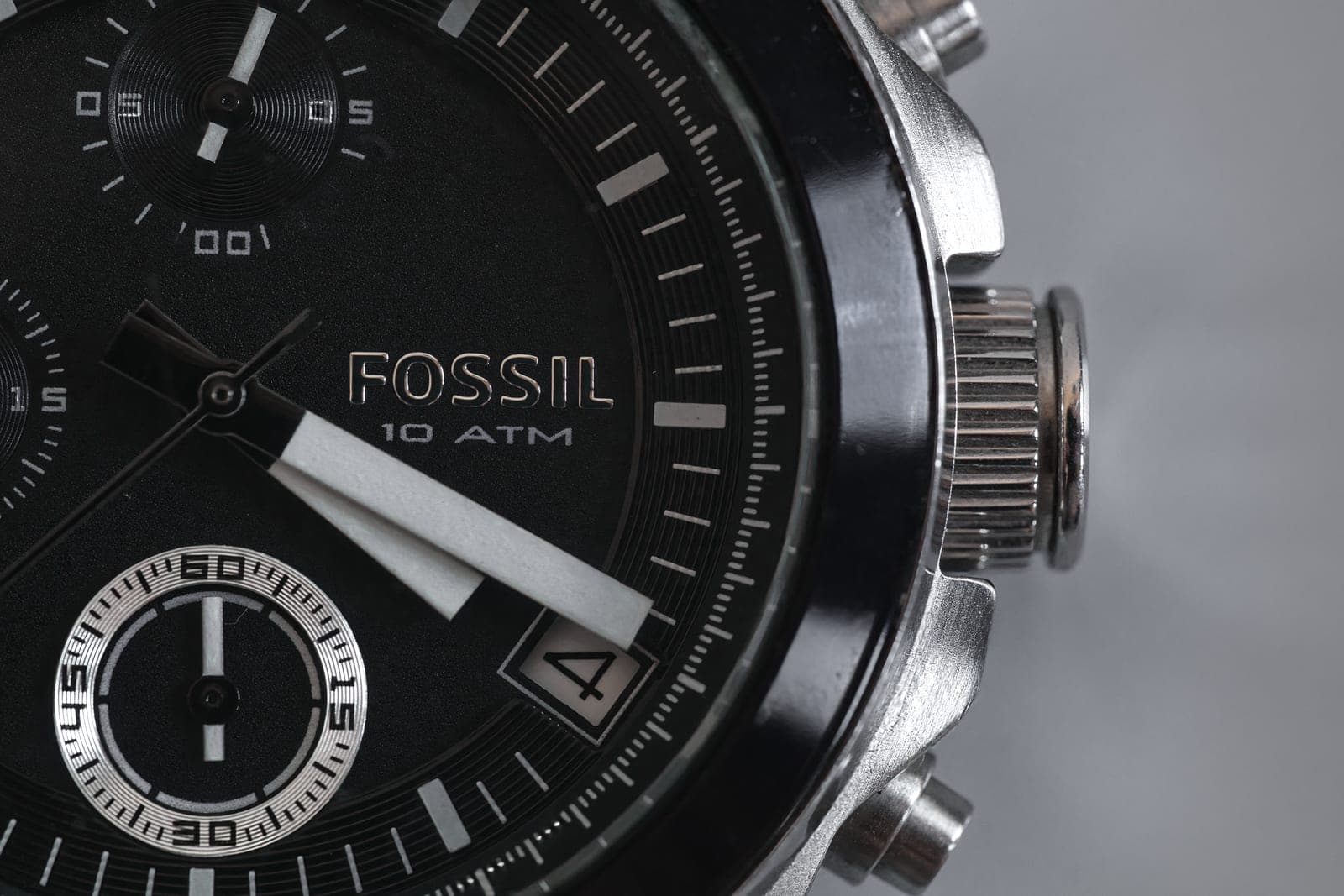
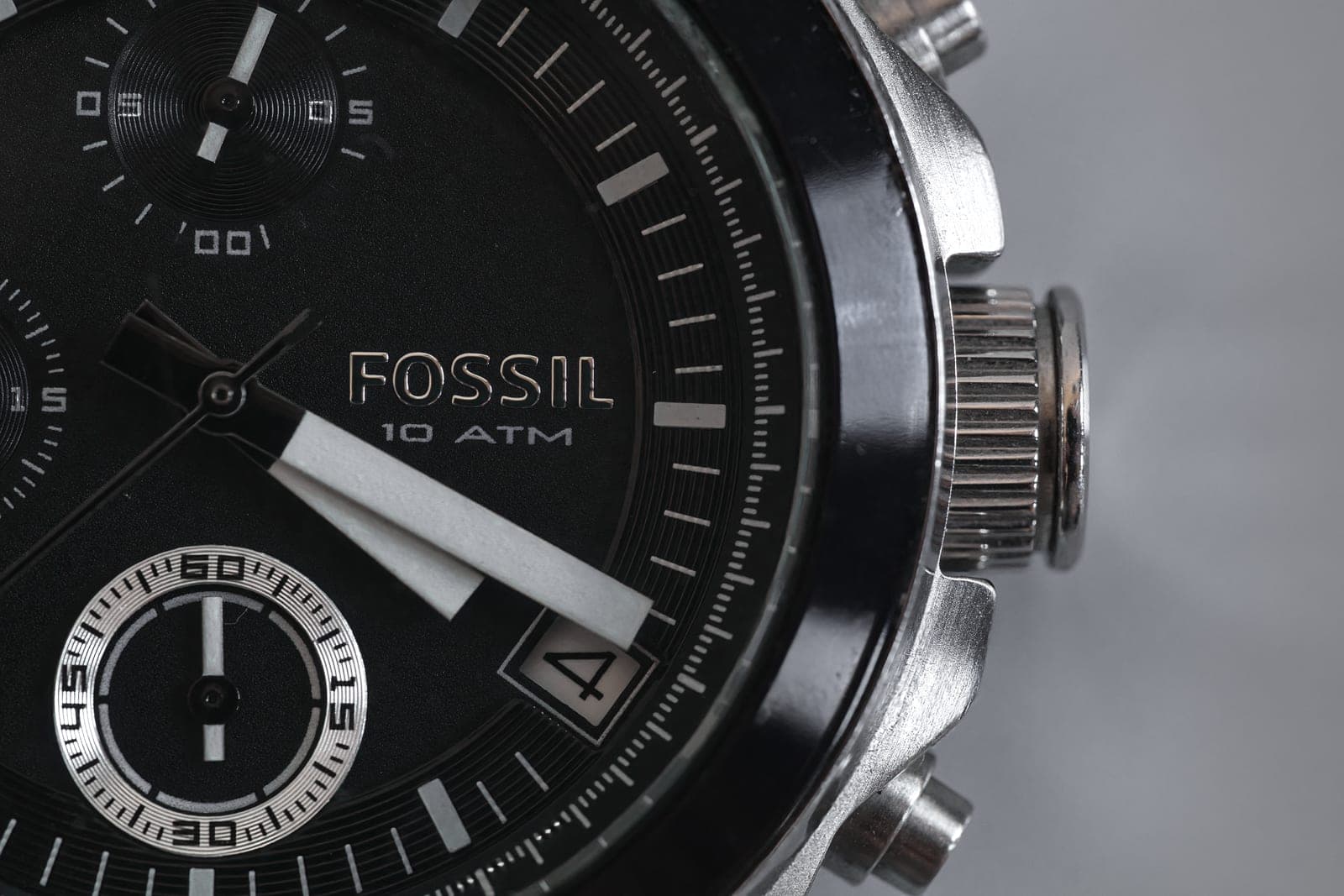
A chronograph is a stopwatch built into a watch. Press the top pusher and a hand starts sweeping; press it again to stop; press the bottom one to reset. In 1960 that was genuinely useful. Today the phone in your pocket does it better, and the honest reason to own one is that the dial layout and the pushers are satisfying.
That is not a dismissal. Buying a watch for pleasure is completely legitimate — it just needs saying out loud, because it changes the calculation. If the function is not the reason, then the question is not "which chronograph is most accurate" but "which one will I still enjoy owning after the servicing bills".
Which is why the most interesting chronographs on this site are the ones that avoid the mechanical version of the complication entirely.
Three kinds of chronograph, and the running cost of each
Type
How it works
Service reality
Mechanical
A gear train clutches into the going train when you press the pusher
The most expensive service in this category — $310 at Tissot, €330 at Hamilton
Solar / quartz
An electronic module drives the hands; Seiko's V192 also runs six months on a full charge
Seiko lists V-series solar service at $163 — half the price of a mechanical chronograph, and cheaper than a 4R36 overhaul
Mecha-quartz
Quartz timekeeping with a mechanical reset, so the hands snap back rather than sweeping
A module: replaced rather than rebuilt, using a current-production part any shop can source
For a buy-it-for-life buyer, that table points somewhere unfashionable. A Seiko Speedtimer solar chronograph with a sapphire crystal costs $163 to service against $310 for a Swiss mechanical, has no battery to change, and runs six months on a full charge. It is not the romantic answer, and it is very hard to argue with.
What to look for in a chronograph
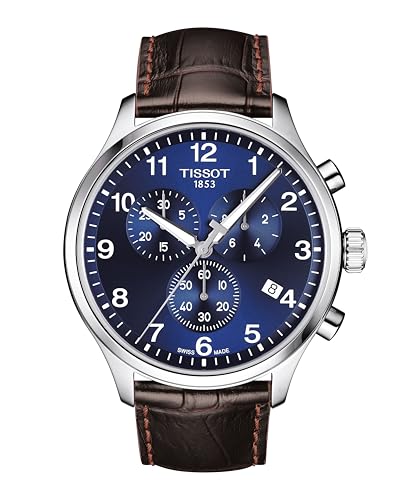
01Sub-dial legibility. Three registers on a 40mm dial is a lot of information. Look at whether you can actually read the running seconds at a glance, because that is the one you will use daily.
02Pusher feel and guards. Screw-down pushers add water resistance and remove the ability to time anything while wet. Pump pushers are more usable and less sealed.
03Case thickness. A chronograph movement is taller than a three-hand one. 13mm is normal here and it wears larger than the diameter suggests.
04The lug width. Seiko's Speedtimer uses 21mm, which is an irritation forever — the strap market is built around 20 and 22.
05A tachymeter you will never use. Fine as decoration on the bezel. It is not a reason to buy, and treating it as one is how people end up with a watch they do not enjoy.
The honest verdict
If you want one chronograph and you want to keep it: buy solar. If you want a mechanical chronograph, buy it knowing it is the most expensive watch on this site to run and budget accordingly — that is a fine trade to make deliberately and a miserable one to discover at the first service. We put both arguments properly on are chronograph watches worth it.
Questions people actually ask
Are chronograph watches worth it?+
As a function, rarely — your phone times things more accurately and more conveniently. As an object, often, because the dial layout and pusher action are genuinely enjoyable. The thing to know first is that a mechanical chronograph costs about 50% more to service than a three-hand watch, every time.
How much does it cost to service a chronograph?+
Tissot's published US price is $310 for a complete service of a mechanical chronograph against $210 for a mechanical three-hander. Hamilton's European list is €330 against €230. Seiko's solar chronograph service is $163.
Is a solar chronograph a compromise?+
On running cost and convenience it is the opposite — half the service price, no battery changes, and Seiko's V192 keeps to ±15 seconds a month against a mechanical's daily seconds. The compromise is that the module is replaced at end of life rather than rebuilt.
What is mecha-quartz?+
A quartz movement with a mechanical chronograph reset, so the hands snap back instantly rather than sweeping. It gives you the tactile part of a chronograph at quartz running costs, on a module any watchmaker can replace.
Sources
Every specification and figure on this page came from one of these documents. Where a manufacturer does not publish something, the page says so rather than filling the gap.