Skip to content
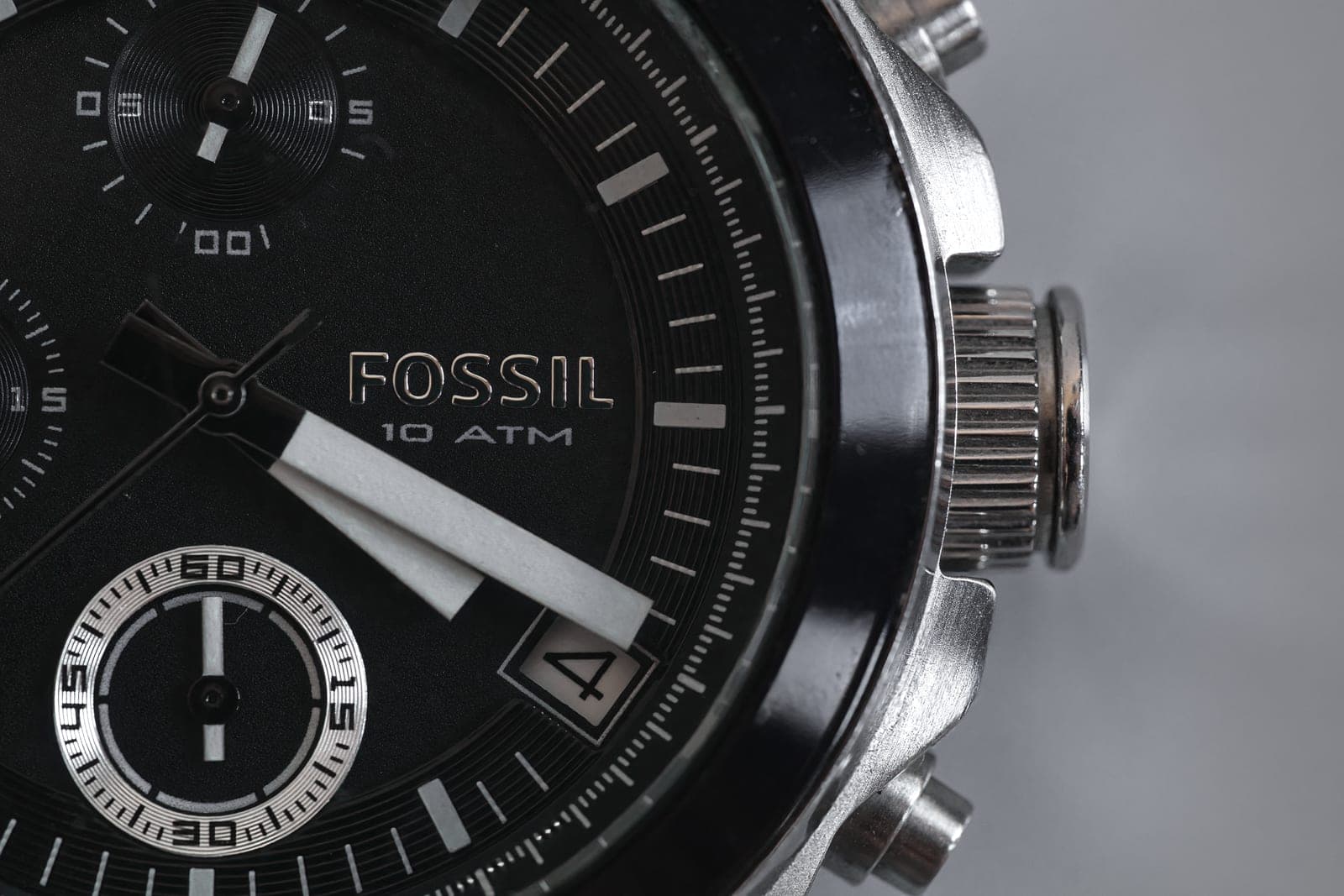
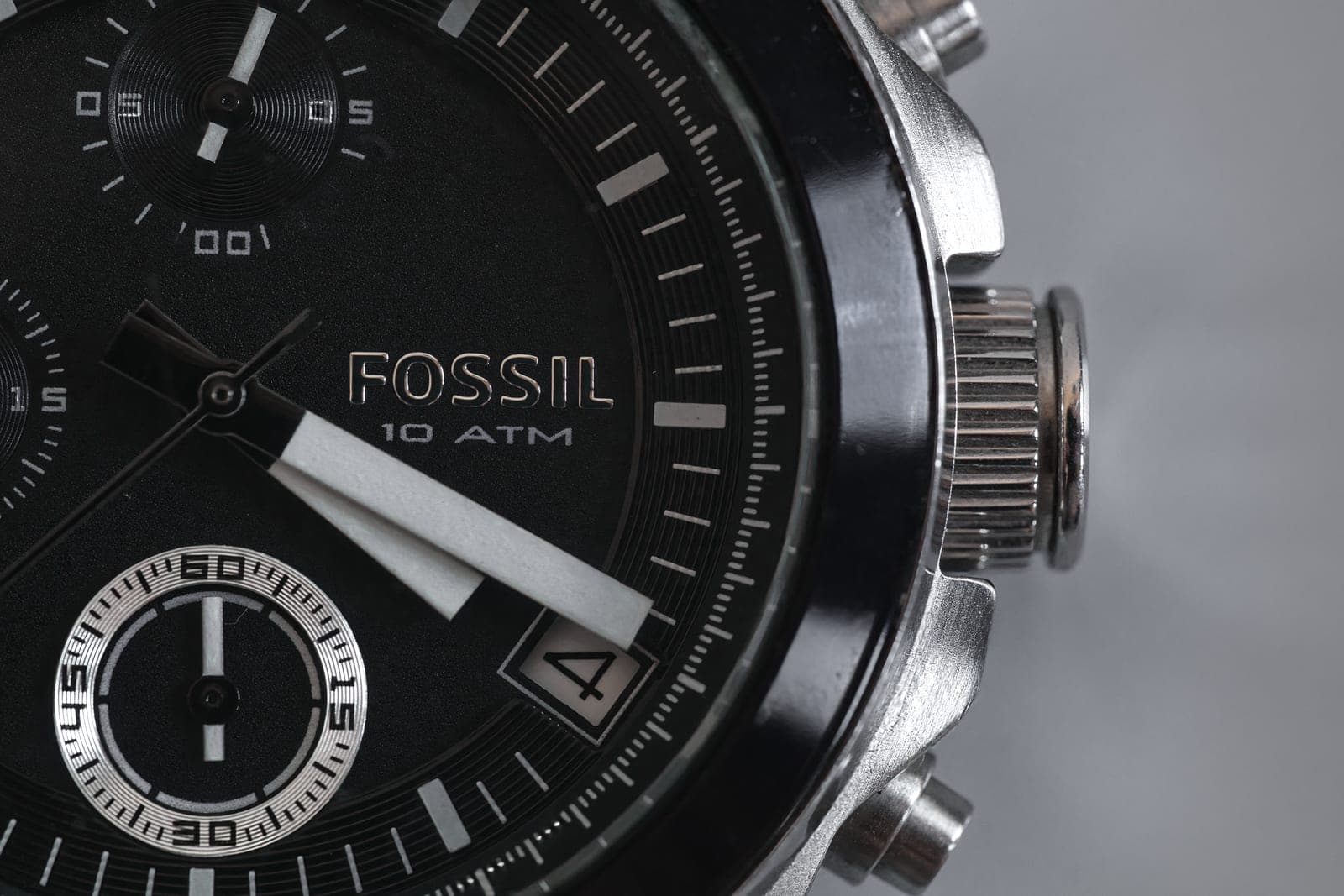
The dial of a chronograph wristwatch photographed close up

Microbrand chronographs

Microbrand chronographs

Almost every microbrand chronograph is mecha-quartz, and that is a rational decision rather than a cost-cutting one.

By Sawyer V. · Published

The short answer

Microbrand chronographs are almost always mecha-quartz — quartz timekeeping with a mechanical reset — because a mechanical chronograph movement costs more than the rest of the watch. The BOLDR Field Medic II is the pick here; Seiko's solar Speedtimer is the mainstream alternative.

Open almost any microbrand chronograph and you will find a Seiko Instruments VK-series module: quartz timekeeping with a mechanical chronograph reset, so the hands snap back instantly rather than sweeping.

That is not a compromise forced by cost-cutting so much as arithmetic. A mechanical chronograph movement costs a small brand more than every other component of the watch combined, and it takes the service cost with it: Tissot charges $310 to overhaul a mechanical chronograph against $210 for a three-hand watch.

On prices and links: we publish no figure we have not verified today. Several watches here are sold direct by their makers rather than on Amazon — those links earn us nothing and are labeled as such.

How we picked

We have not worn these watches. What follows is what we checked instead, on documents you can open yourself — the same criteria, in the same order, on every roundup on this site. The full method is on the methodology page.

  1. 01Named caliber

    "Japanese automatic" is not a name. NH35, NH38A and Miyota 9039 are, and a named movement is what makes a microbrand serviceable.

  2. 02Complete dimensions

    Diameter, thickness, lug-to-lug and lug width. A missing lug-to-lug usually means it is unflattering.

  3. 03A stated warranty term

    Not "we stand behind our watches" — a number of years. Several brands here state none.

  4. 04Crystal and bezel material

    Sapphire, and on a diver, what the bezel insert is made of. These are model-specific parts.

  5. 05Water resistance

    The rating, and whether a screw-down crown sits behind it.

  6. 06Distribution

    Where it is actually sold. Direct-only means no buy button from us, and we say so.

Disclosure · Some links below are Amazon affiliate links. If you buy through one we earn a commission at no extra cost to you. It does not decide what goes on this page or in what order — here is exactly how that works.

Quick picks

Ranked on the Keep Score below — six published specifications, weighted identically on every page. The last row is the one we would not buy.

#WatchBest forKeep ScorePrice
1

Seiko Prospex Speedtimer Solar Chronograph SSC947

Solar, sapphire, a power-reserve hand — and $163 to service.

The chronograph to buy if you want to keep it7.7/10
Check price
2

BOLDR Field Medic II

Titanium, sapphire, 200m and a VK64 module with a common battery.

The best microbrand chronograph here6.7/10
Direct only

Keep Score is arithmetic, not opinion — six published specifications, weighted the same way on every page. The formula is on our methodology page, so you can re-run it yourself.

01

Seiko Prospex Speedtimer Solar Chronograph SSC947

Best for: The chronograph to buy if you want to keep it

7.7/10

Keep Score

Crystal
2.5/2.5
Serviceability
1.4/2.5
Water resistance
1.1/1.5
Warranty
1.05/1.5
Strap standard
0.6/1
Cost-to-keep transparency
1/1
Check price on Amazon

#ad Affiliate link · We publish no price we have not verified today

Not a microbrand, and on this page because it is the honest benchmark. Seiko lists V-series solar service at $163, which is less than a 4R36 overhaul and roughly half a mechanical chronograph's.

Sapphire with inner anti-reflective coating, ±15 seconds a month, a tachymeter, a power-reserve indicator and six months of running on a full charge. The 21mm lug width is the irritation.

Seiko lists V-series solar service at $163 — cheaper than a 4R36 overhaul and far cheaper than a mechanical chronograph. The 21mm lug width is the annoyance: standard straps come in 20 and 22.

Manufacturer specifications for the Seiko Prospex Speedtimer Solar Chronograph SSC947
MovementSeiko V192 solar chronograph, +/-15 sec per month, six-month run when fully charged
Power reserveNot published
Case41.4mm stainless steel
Lug-to-lug45.9mm
Thickness13mm
Lug width21mm
Crystalsapphire
Water resistance100m
Warranty3 years

Specifications read from Seiko Watch Corporation product page, SSC947.
02

BOLDR Field Medic II

Best for: The best microbrand chronograph here

6.7/10

Keep Score

Crystal
2.5/2.5
Serviceability
1.5/2.5
Water resistance
1.5/1.5
Warranty
0/1.5
Strap standard
1/1
Cost-to-keep transparency
0.2/1
Sold direct by BOLDR

We earn nothing on this link. BOLDR sells this watch itself.

38mm titanium with a 44mm lug-to-lug, flat sapphire and a 200m screw-down case — a specification set that would be strong on a three-hand watch and is unusual with a chronograph.

The VK64 is a current-production module: replaced rather than rebuilt, using a part any watchmaker can source. On running cost it comfortably beats any mechanical chronograph.

BOLDR sells direct and states no warranty term. We earn nothing on this link.

Mecha-quartz splits the difference honestly: quartz timekeeping, a mechanical chronograph reset, and a battery any shop stocks. The VK64 is a module — when it dies it is replaced, not rebuilt.

Manufacturer specifications for the BOLDR Field Medic II
MovementSeiko Instruments VK64 mecha-quartz, 394/SR936 battery
Power reserveNot applicable
Case38mm titanium
Lug-to-lug44mm
Thickness12.2mm
Lug width20mm
Crystalsapphire
Water resistance200m
WarrantyNot stated by the manufacturer

BOLDR does not state a warranty term on this product page.

Specifications read from BOLDR Supply Co. product page, Field Medic II.

Mecha-quartz, mechanical and solar compared

Mecha-quartzMechanicalSolar
Pusher feelInstant snap-back resetBestOrdinary
AccuracySeconds/monthSeconds/day±15 sec/month
ServiceModule replaced$310-373 overhaul$163 at Seiko
BatteryEvery few yearsNoneNone
RebuildableNoYesNo
Typical at this levelAlmost universalRareMainstream brands

For a buy-it-for-life buyer the interesting column is the third. A solar chronograph has no battery to change, keeps time to ±15 seconds a month, and costs $163 to service. On running cost it beats both the others outright.

What to check on a microbrand chronograph

  1. Which module. VK63, VK64 and VK67 are the common ones and all are current production. A page that says only "Japanese chronograph movement" tells you nothing.
  2. The battery type. A commodity cell — 394, SR936 — means any shop can do it. An unusual one means posting the watch away.
  3. Sub-dial legibility. Three registers on a 38-40mm dial is a lot, and the running seconds is the one you read daily.
  4. Case thickness. A chronograph module is taller than a three-hand movement; 12-14mm is normal.
  5. The lug width. 20mm is ideal. 21mm is common on chronographs and permanent.

Questions people actually ask

Why are microbrand chronographs mecha-quartz?

Because a mechanical chronograph movement costs a small brand more than the rest of the watch combined, and takes the service cost with it — $310 at Tissot against $210 for a three-hand watch. Mecha-quartz gives the pusher feel without either.

Is mecha-quartz worse than mechanical?

Different. You get the instant snap-back reset and the pusher action with quartz accuracy and a commodity battery. What you lose is rebuildability: the module is replaced rather than repaired.

What is the best microbrand chronograph?

The BOLDR Field Medic II — 38mm titanium, sapphire, 200m and a VK64 module with a common battery. It is sold direct rather than on Amazon, and we earn nothing recommending it.

Should I buy a solar chronograph instead?

On running cost, it is the strongest option: Seiko's V192 keeps ±15 seconds a month, has no battery, and services for $163. It gives up the mechanical pusher feel, which for some buyers is the whole point.

Sources

Every specification and figure on this page came from one of these documents. Where a manufacturer does not publish something, the page says so rather than filling the gap.