Skip to content
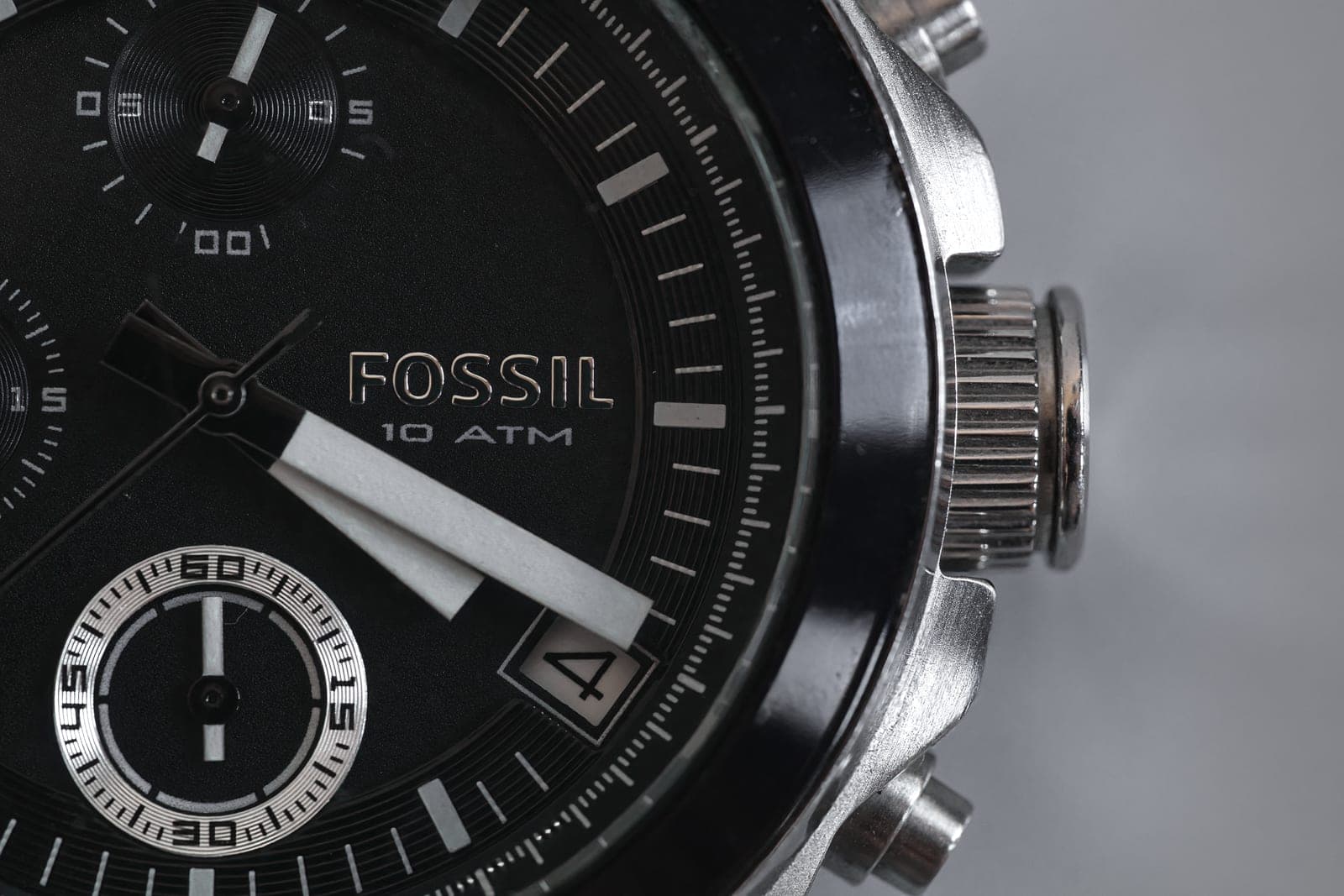
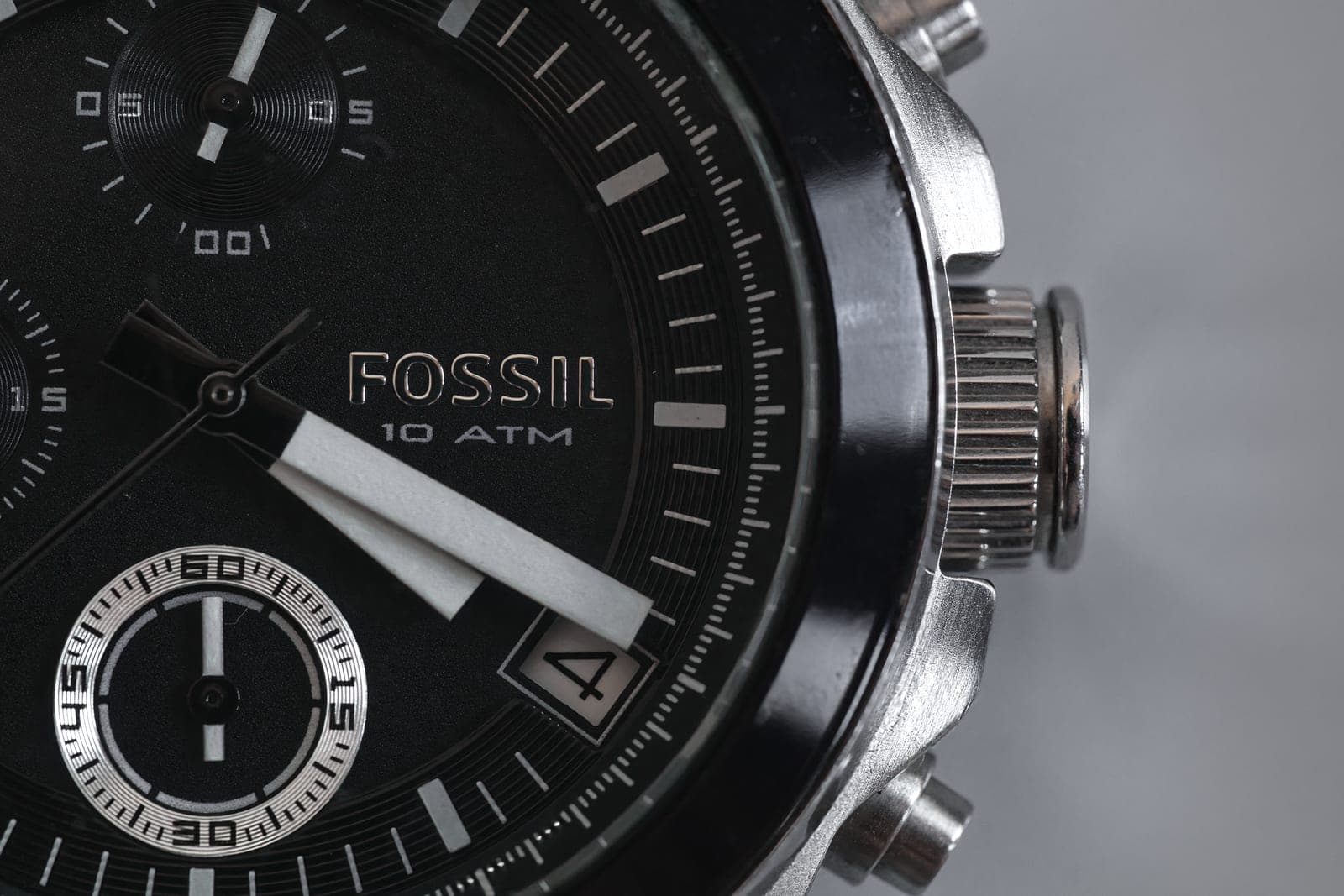
A stopwatch being timed, close up

Worth it?

Are chronograph watches worth it?

The function is obsolete and the running cost is the highest in watchmaking. There is still a good reason to buy one — it just is not the one you are usually given.

By Sawyer V. · Published

The short answer

As a timing instrument, no — a phone is more accurate and more convenient. As an object, often yes: the dial layout and pusher action are genuinely enjoyable. The deciding factor is the running cost, which is about 50% higher than a three-hand watch on every service.

The honest answer has two halves and most guides only give you the flattering one.

As a tool: no. The phone in your pocket times things to the hundredth of a second, records the result and does not need setting. There is no everyday task in 2026 for which a wrist chronograph is the better instrument, and pretending otherwise is how people end up disappointed with a watch that is working perfectly.

As an object: frequently yes. A chronograph dial is more interesting to look at than a three-hand dial, and pressing the pusher on a mechanical one is a genuinely satisfying piece of engineering feedback. Those are real reasons and they do not need dressing up as utility.

On prices: we publish no figure we have not verified today, so every buy button reads "Check price on Amazon". Tier placement is our structural judgment, not a price claim.

How we picked

We have not worn these watches. What follows is what we checked instead, on documents you can open yourself — the same criteria, in the same order, on every roundup on this site. The full method is on the methodology page.

  1. 01Service cost

    A mechanical chronograph costs roughly 50% more to overhaul than a three-hand watch. This is the criterion the category is usually sold without.

  2. 02Sub-dial legibility

    Three registers on a 40mm dial is a lot. The running seconds is the one you will read daily.

  3. 03Crystal

    Sapphire, hardlex, mineral or acrylic — decided at purchase, never after.

  4. 04Water resistance

    Screw-down pushers add sealing and remove the ability to time anything while wet.

  5. 05Serviceability

    A named caliber, and whether it is rebuilt or replaced at end of life.

  6. 06Strap standardization

    21mm — common on chronographs — means a thinner strap market forever.

Disclosure · Some links below are Amazon affiliate links. If you buy through one we earn a commission at no extra cost to you. It does not decide what goes on this page or in what order — here is exactly how that works.

Quick picks

Ranked on the Keep Score below — six published specifications, weighted identically on every page. The last row is the one we would not buy.

#WatchBest forKeep ScorePrice
1

Seiko Prospex Speedtimer Solar Chronograph SSC947

Solar, sapphire, power-reserve hand, ±15 sec/month — and $163 to service.

The version worth owning long-term7.7/10
Check price
2

BOLDR Field Medic II

Mecha-quartz — mechanical reset, quartz accuracy, common battery.

The pusher feel without the running cost6.7/10
Direct only

Keep Score is arithmetic, not opinion — six published specifications, weighted the same way on every page. The formula is on our methodology page, so you can re-run it yourself.

01

Seiko Prospex Speedtimer Solar Chronograph SSC947

Best for: The version worth owning long-term

7.7/10

Keep Score

Crystal
2.5/2.5
Serviceability
1.4/2.5
Water resistance
1.1/1.5
Warranty
1.05/1.5
Strap standard
0.6/1
Cost-to-keep transparency
1/1
Check price on Amazon

#ad Affiliate link · We publish no price we have not verified today

If you want a chronograph and want to keep it, this is the answer. Seiko's published $163 solar service is less than a 4R36 overhaul and roughly half a mechanical chronograph's, and there is no battery to change.

Sapphire with inner anti-reflective coating, a tachymeter, a power-reserve indicator and six months of running on a full charge. 41.4mm, 45.9mm lug-to-lug, 13mm thick — and a 21mm lug width that will annoy you.

Seiko lists V-series solar service at $163 — cheaper than a 4R36 overhaul and far cheaper than a mechanical chronograph. The 21mm lug width is the annoyance: standard straps come in 20 and 22.

Manufacturer specifications for the Seiko Prospex Speedtimer Solar Chronograph SSC947
MovementSeiko V192 solar chronograph, +/-15 sec per month, six-month run when fully charged
Power reserveNot published
Case41.4mm stainless steel
Lug-to-lug45.9mm
Thickness13mm
Lug width21mm
Crystalsapphire
Water resistance100m
Warranty3 years

Specifications read from Seiko Watch Corporation product page, SSC947.

02

BOLDR Field Medic II

Best for: The pusher feel without the running cost

6.7/10

Keep Score

Crystal
2.5/2.5
Serviceability
1.5/2.5
Water resistance
1.5/1.5
Warranty
0/1.5
Strap standard
1/1
Cost-to-keep transparency
0.2/1
Sold direct by BOLDR

We earn nothing on this link. BOLDR sells this watch itself.

The VK64 gives the instant snap-back reset that makes a mechanical chronograph satisfying, with quartz timekeeping behind it and a battery any shop stocks.

38mm titanium, 44mm lug-to-lug, flat sapphire, 200m and a screw-down crown. Sold direct by BOLDR; we earn nothing on this link, and BOLDR states no warranty term.

Mecha-quartz splits the difference honestly: quartz timekeeping, a mechanical chronograph reset, and a battery any shop stocks. The VK64 is a module — when it dies it is replaced, not rebuilt.

Manufacturer specifications for the BOLDR Field Medic II
MovementSeiko Instruments VK64 mecha-quartz, 394/SR936 battery
Power reserveNot applicable
Case38mm titanium
Lug-to-lug44mm
Thickness12.2mm
Lug width20mm
Crystalsapphire
Water resistance200m
WarrantyNot stated by the manufacturer

BOLDR does not state a warranty term on this product page.

Specifications read from BOLDR Supply Co. product page, Field Medic II.

When a chronograph is genuinely worth it

  • When you like the dial. The most honest reason, and the one that holds up over twenty years of ownership.
  • When you will actually use it. Cooking, parking, intervals — some people genuinely do reach for the pusher, and it is more pleasant than unlocking a phone.
  • When it is your second or third watch. As an only watch, a chronograph is a busier, thicker, more expensive-to-keep version of something simpler.
  • When you buy solar or mecha-quartz. Both remove the running-cost objection almost entirely.

When it is not

  • As a first watch. More dial, more money, more service cost, for a function you will use twice a year.
  • Because of the tachymeter. Nobody has ever calculated an average speed with one outside a demonstration. It is decoration, and fine as decoration.
  • If the budget is tight. The complication takes money away from the crystal, the water resistance and the movement — all of which matter more.
  • If you will not service it. An unserviced chronograph accumulates problems faster than a three-hand watch, because there is more to go wrong.

Which kind to buy

MechanicalMecha-quartzSolar
Pusher feelBestVery good — instant resetOrdinary
AccuracySeconds/daySeconds/month±15 sec/month
Service cost$310-373Module replacement$163
BatteryNoneEvery few yearsNone
RebuildableYesNoNo
On this siteNone we can sourceBOLDR Field Medic IISeiko Speedtimer SSC947

For a buy-it-for-life buyer the solar column wins on every axis except rebuildability, and it is not close. That is an unfashionable conclusion in a category that runs on romance, and the numbers are the numbers.

Questions people actually ask

Are chronograph watches worth it?

As a timing instrument, no — a phone is better in every way. As an object, often yes: the dial and the pusher action are genuinely enjoyable. The thing to know first is that a mechanical one costs about 50% more to service than a three-hand watch, forever.

Are chronograph watches more expensive to maintain?

Yes, substantially. Tissot publishes $310 for a mechanical chronograph service against $210 for a three-hand watch, and Hamilton €330 against €230. Seiko charges $373 for an 8R chronograph overhaul.

Is a solar chronograph a real chronograph?

Yes — the stopwatch function is identical, and Seiko's V192 is accurate to ±15 seconds a month with a six-month reserve. What differs is the pusher feel and that the module is replaced rather than rebuilt.

What is a tachymeter for?

Calculating average speed over a known distance. In practice nobody uses one. It is a decorative bezel scale, which is fine — just not a reason to buy the watch.

Should a chronograph be my only watch?

Rarely. It is thicker, busier and more expensive to keep than a three-hand watch, for a function you will seldom use. Buy one third, when you already own something simpler.

Sources

Every specification and figure on this page came from one of these documents. Where a manufacturer does not publish something, the page says so rather than filling the gap.