Skip to content
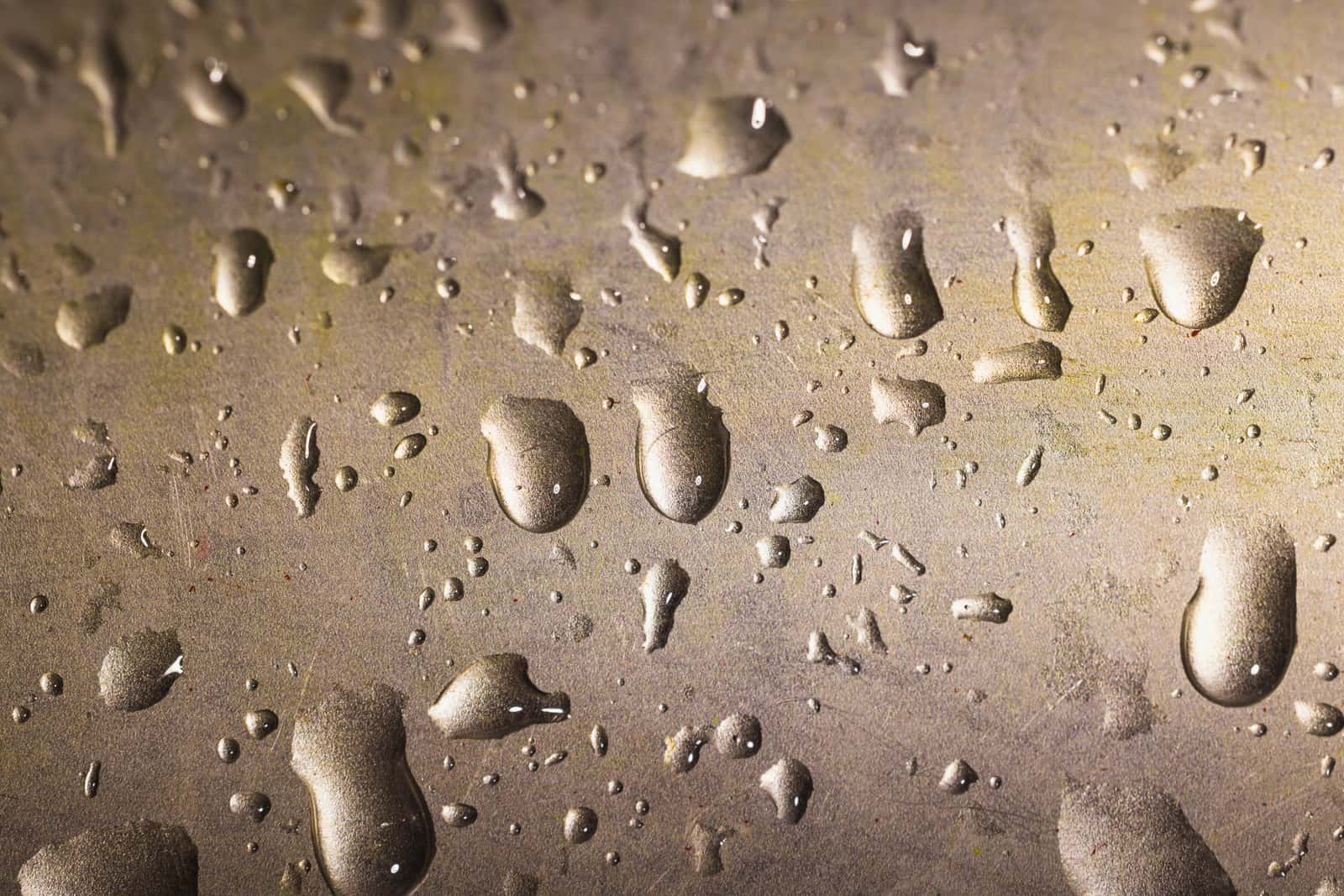
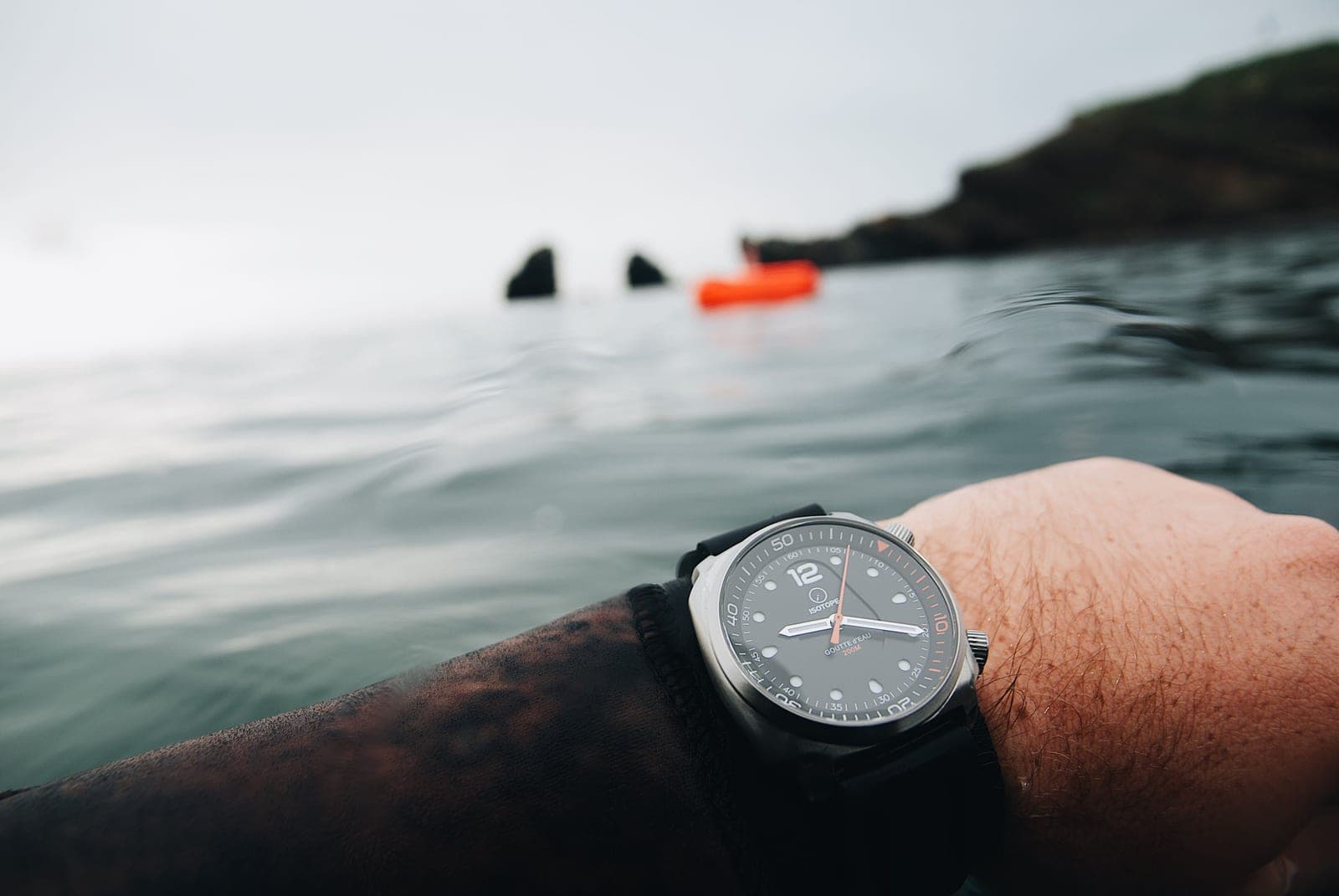
A diver's wristwatch resting on a wet dark surface

Dive

Dive watches

The most over-engineered watch you can buy, which is exactly why it is the most sensible one to own if you only want one.

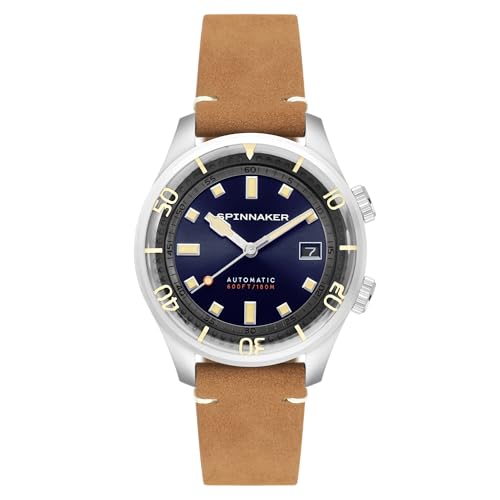
Almost nobody who buys a dive watch dives in it. That is not a criticism — it is the reason the category is the best value in watchmaking. You are buying a case engineered to survive 20 atmospheres of pressure and using it to do the dishes.

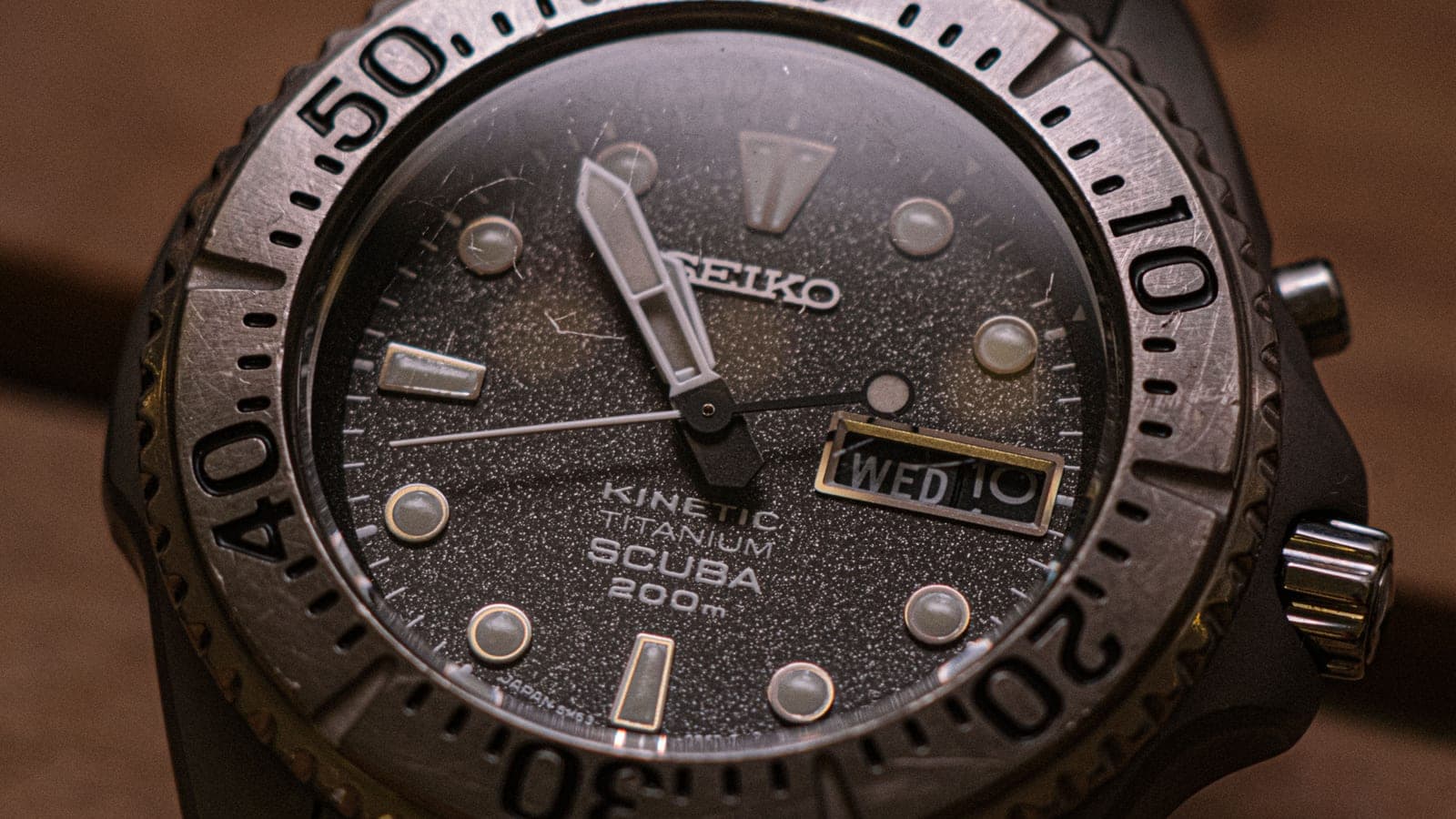
The engineering that ISO 6425 requires of a genuine diver's watch is exactly the engineering that makes a watch survive ordinary life: a screw-down crown so the one hole in the case is sealed, a case back that screws rather than presses, a unidirectional bezel that can only ever tell you that more time has passed rather than less, and a rating with real margin in it.

Below: picks at two budgets, plus a page for the perennial problem with this category, which is that most divers are too big for most wrists.

Every page in this section

Start here

What to look for in a dive watch

  1. A screw-down crown. Non-negotiable. The crown stem is the single largest hole in the case and a push-pull crown seals it with a gasket and hope. Every watch on the pages below has one.
  2. 200m or better. 100m divers exist and are fine for swimming, but 200m is where the case construction genuinely changes — thicker crystal seating, better gaskets, a screwed case back.
  3. A sapphire crystal, if the budget reaches. Divers get knocked against door frames more than any other style, because they are worn while doing things. Orient fits sapphire at prices where Seiko fits Hardlex, and that is the single clearest specification difference in the tier.
  4. A 120-click unidirectional bezel. Unidirectional so a knock can only shorten your read, never extend it. 120 clicks means half-minute resolution.
  5. Lug-to-lug under about 48mm unless you have a large wrist. This is where divers lose people — see the small wrists page.

The bezel insert nobody thinks about

Three materials, and they age completely differently. Aluminum fades — it is the reason vintage divers have those washed-out gray bezels people now pay extra for, and it is a genuine loss if you wanted the watch to look new. Ceramic does not fade or scratch, but it chips, and a chipped ceramic insert cannot be repaired, only replaced. Sapphire does neither, which is why Baltic fitting a sapphire insert on the Aquascaphe is more interesting than it sounds.

For a twenty-year horizon this is a real decision and almost no buying guide mentions it. If the insert is model-specific and the brand is small, a damaged bezel can end an otherwise healthy watch.

Why a diver makes sense as an only watch

Because it removes the single most common way watches die, which is not being taken off. Every water-ingress failure starts with somebody who meant to remove a 30m dress watch before showering and forgot. A 200m diver with a screw-down crown removes the decision entirely.

The cost is thickness. A 200m case is typically 12.8-13.5mm deep, against 9.75mm for a Swiss dress automatic, and that is what stops it sliding under a tight cuff. If you wear a suit weekly, own something else too — dress watches is the other half of that answer.
Questions people actually ask

Do I need a 200m watch if I never dive?

Need, no. But 200m is where case construction changes — screw-down crown, screwed case back, better gaskets — and that construction is what keeps a watch alive through twenty years of showers, dishes and rain. You are buying the build, not the depth.

What does the word 'diver's' on a dial mean?

It means the watch was tested to ISO 6425, the divers' watch standard, which is a harder regime than ISO 22810 for general water-resistant watches. Manufacturers may only use the marking if the watch qualifies, so it is a meaningful signal rather than marketing.

Can I swim in a 100m watch?

Yes. 100m covers swimming and snorkelling. The reason to prefer 200m is not the depth but the construction that comes with it, and the margin for gaskets that have aged a few years since their last service.

Does the bezel material matter?

For longevity, yes. Aluminum fades, ceramic chips and cannot be repaired, sapphire does neither. On a small brand where the insert is model-specific, a damaged bezel can be unfixable, which is worth a moment's thought before buying.

Sources

Every specification and figure on this page came from one of these documents. Where a manufacturer does not publish something, the page says so rather than filling the gap.