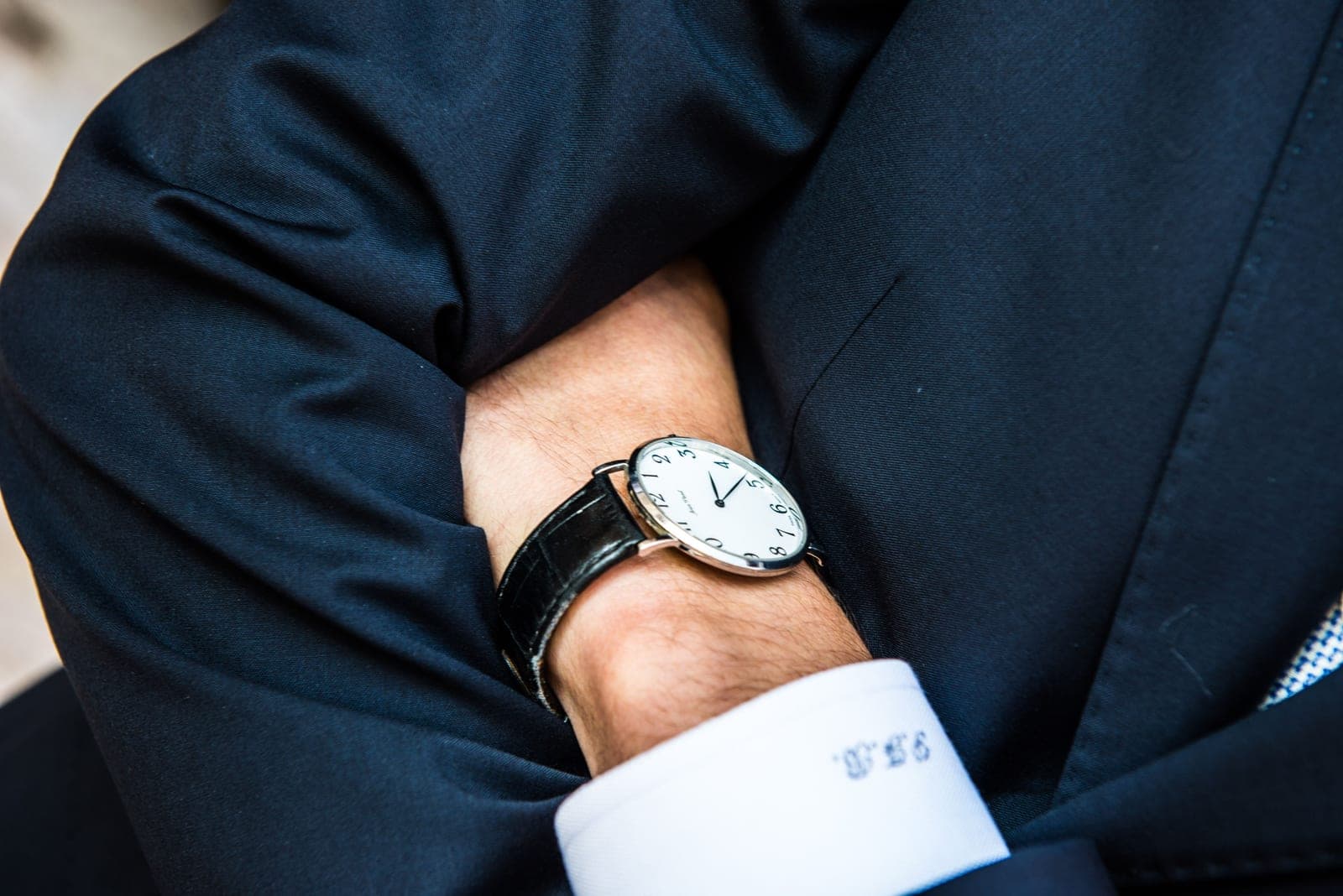
What to look for in a dress watch
- 01Under 11mm thick. This is the actual specification of the category and the one most "dress" watches fail. Under 10mm is genuinely thin; the Le Locle at 9.75mm is the benchmark here.
- 0236-40mm case. A dress watch is the one place where smaller is straightforwardly better. 38mm is close to ideal and 40.5mm is the sensible ceiling.
- 03Sapphire, unless you are buying acrylic on purpose. Domed mineral looks lovely and scratches under a cuff. Orient's Bambino line, which is otherwise excellent, is domed mineral throughout, and we score it accordingly.
- 04A standard lug width. 20mm is common and easy. 21mm — which Orient uses on several Bambinos and Tissot uses on the Gentleman — means a narrower strap market and higher prices forever.
- 05A quiet dial. Dress watches date faster than any other style, and they date through dial decoration. The plainer one will still look right in twenty years.
The thickness-versus-reserve trade
There is a genuinely useful modern development here. Swiss dress automatics with 80-hour power reserves — Tissot's Powermatic 80 movements, Hamilton's H-10 — solve the oldest practical annoyance of a dress watch, which is that it stops between wears. Put it down on Friday and it is still running Monday morning.
A 40-hour Japanese automatic will not do that, which means a dress watch you wear twice a week gets reset every time. It is a small thing that becomes a large thing over years of ownership, and it is worth more than most of the finishing differences at this price.
Dress watches and the buy-it-for-life question
Honestly assessed, dress watches score lower on our method than divers and field watches, and they should: they have less water resistance, they are more likely to use a decorative dial that dates, and several of the best-looking ones use mineral crystals under a cuff, which is the worst possible place for a crystal you cannot polish.
The counter-argument is real. A thin, plain dress watch is the most likely thing here to be handed down and actually worn by whoever receives it, because it fits every wrist and every occasion. If that is your goal, buy sapphire, buy plain, and buy a standard lug width — and accept that you will take it off before the shower for the rest of your life.