Field under $300
Best field watches under $300
Five field watches under $300 — legible, correctly sized, and easy to keep.
Top pick
Seiko 5 Sports SRPD79
Keep Score 8.0/10
Sold direct by Seiko
We earn nothing on this link. Seiko sells it directly.
Field
Designed around reading the time and nothing else. Which is why, eighty years later, they still look right.
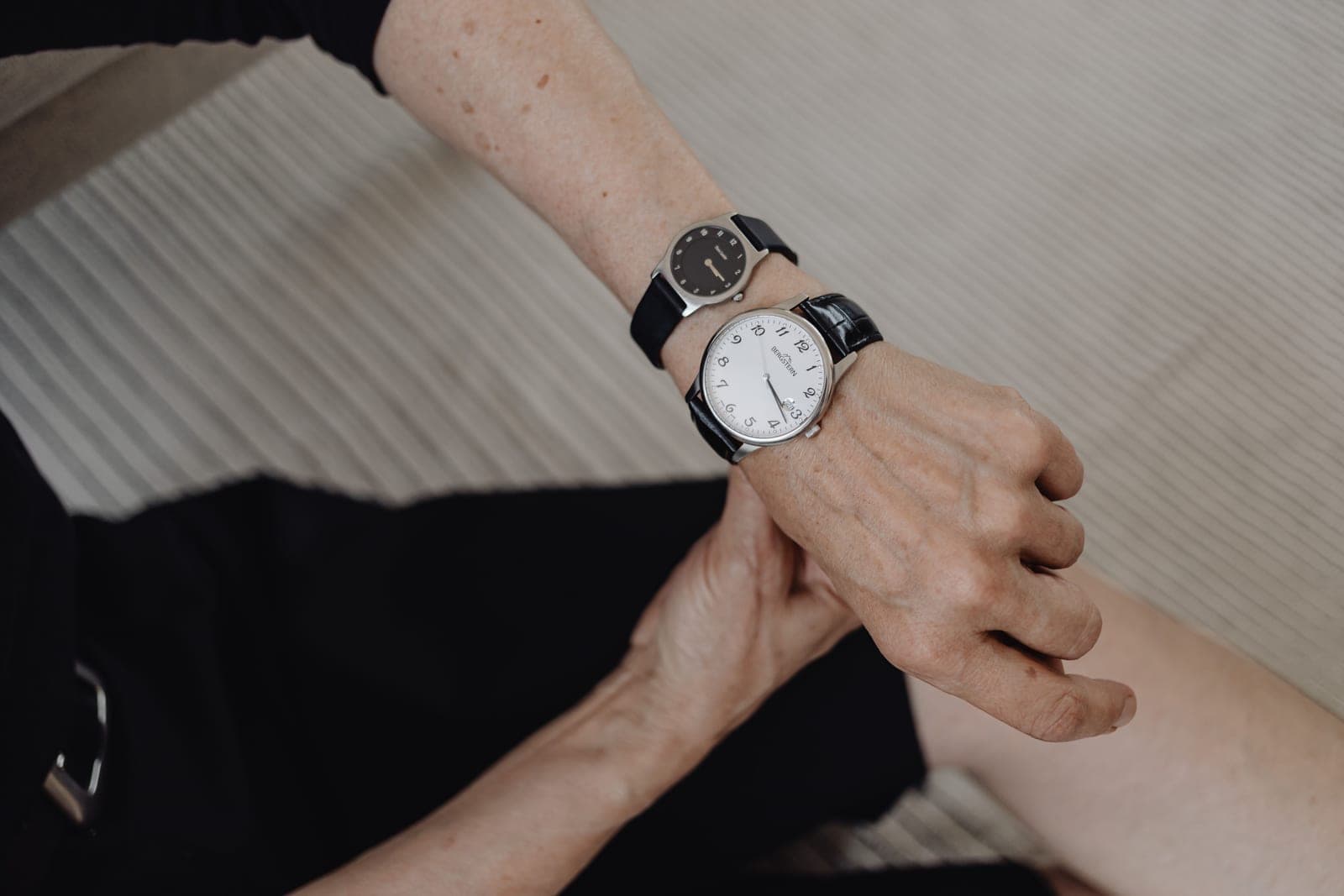
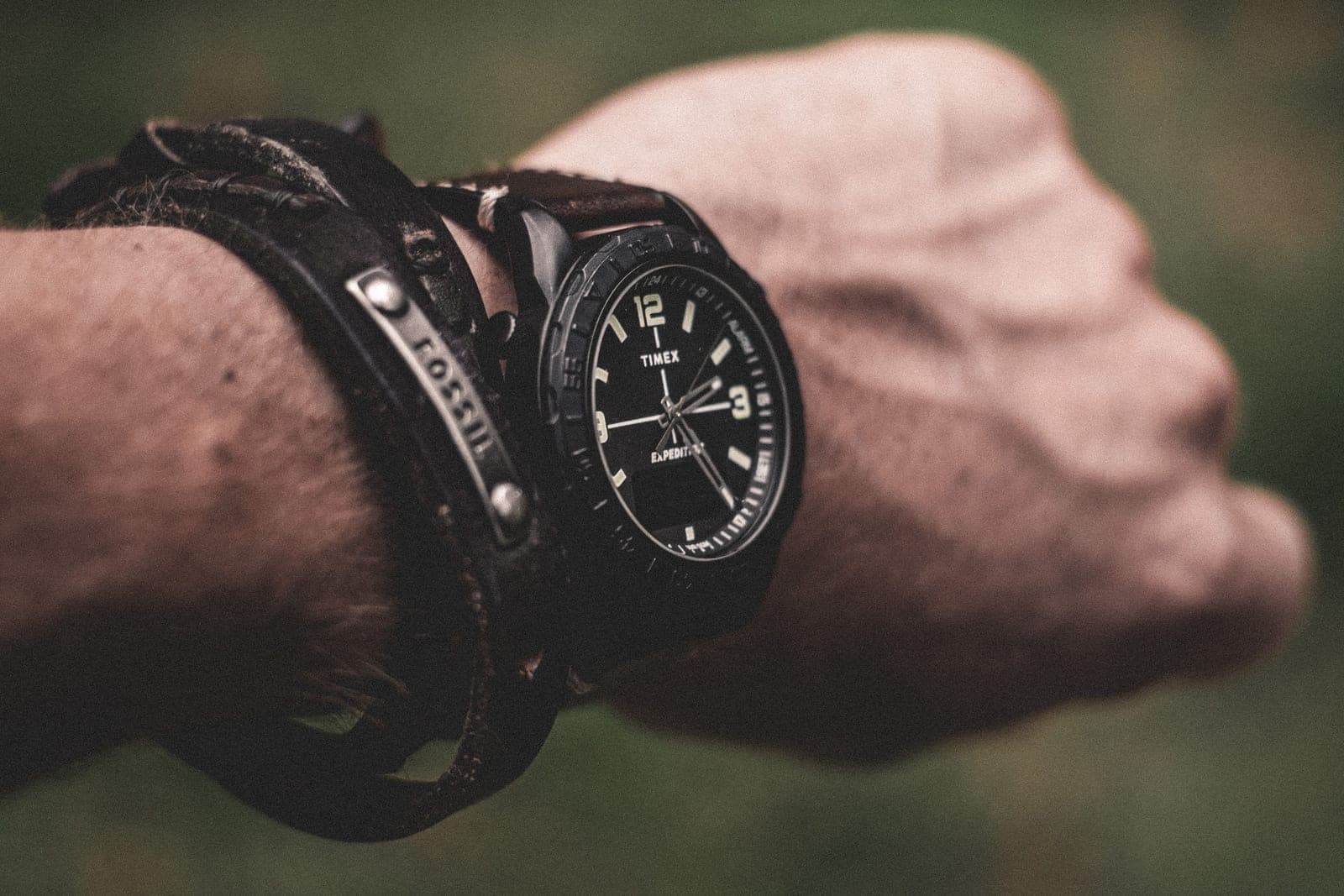
The field watch is the only category on this site whose design brief was written by a procurement officer. High-contrast dial, full Arabic numerals, a case small enough not to snag, luminous hands, and nothing else. It was specified to be read in bad light by a tired person, and every decision follows from that.
The consequence is that it has dated less than anything else in watchmaking. A Hamilton Khaki Field looks like a watch from 1940 and like a watch from now, because legibility does not go in and out of fashion. If you are buying something you intend to still like in 2046, that matters more than most specifications.
It also happens to be the most wearable category here. Field watches run 36-41mm where divers run 41-45mm, and the good ones keep lug-to-lug tight: Hamilton's 38mm Khaki Field is 47mm across the lugs, Timex's 36mm solar is 44.5mm. For anyone who has bounced off dive watches on size, this is where to look.
Every page in this section
Field under $300
Five field watches under $300 — legible, correctly sized, and easy to keep.
Top pick
Seiko 5 Sports SRPD79
Keep Score 8.0/10
We earn nothing on this link. Seiko sells it directly.
Automatic field
Seven automatic field watches ranked, including the thinnest mechanical here.
Top pick
Hamilton Khaki Field Murph 38mm H70405130
Keep Score 8.6/10
We earn nothing on this link. Hamilton sells it directly.
Military patterns
Six military-pattern watches ranked on the specifications that decide survival.
Top pick
Hamilton Khaki Field Murph 38mm H70405130
Keep Score 8.6/10
We earn nothing on this link. Hamilton sells it directly.
The two styles compared, with a clear answer on which works as an only watch.
Field vs dive
Two tool watches compared, with a clear answer on which works as an only watch.
Top pick
Seiko Prospex Alpinist SPB317J1
Keep Score 9.6/10
We earn nothing on this link. Seiko sells it directly.

Field vs pilot
The two legibility-first styles compared, and which suits an only watch.
Top pick
Hamilton Khaki Field Murph 38mm H70405130
Keep Score 8.6/10
We earn nothing on this link. Hamilton sells it directly.
Khaki Field vs Alpinist
The two most-shortlisted field watches, compared specification by specification.
Top pick
Seiko Prospex Alpinist SPB317J1
Keep Score 9.6/10
We earn nothing on this link. Seiko sells it directly.

Solar field watches
Four light-powered field watches from 36mm to 42mm, and the battery one to skip.
Top pick
Citizen Garrison BM8560-02X
Keep Score 7.2/10
#ad Affiliate link · Price as of October 24, 2026

Field watches under $500
Five field watches in the under-$500 tier, and the one to skip.
Top pick
Timex Expedition Field Post Titanium Automatic 41mm TW2Y90900
Keep Score 8.0/10
#ad Affiliate link · Price as of October 24, 2026
Field watches under $1,000
Six field watches in the under-$1,000 tier, and the one to skip.
Top pick
Seiko Prospex Alpinist SPB317J1
Keep Score 9.6/10
We earn nothing on this link. Seiko sells it directly.

Is a field watch worth it?
What a field watch does well, who it suits, and five worth owning.
Top pick
Hamilton Khaki Field Auto 38mm H70455533
Keep Score 8.6/10
#ad Affiliate link · Price as of October 24, 2026
Seiko 5 vs Khaki Field
The Seiko 5 field watch against the Hamilton Khaki Field, specification by specification.
Top pick
Hamilton Khaki Field Auto 38mm H70455533
Keep Score 8.6/10
#ad Affiliate link · Price as of October 24, 2026
Sapphire field watches
Six sapphire field watches, hand-wound to solar, ranked on what keeps them alive.
Top pick
Seiko Prospex Alpinist SPB317J1
Keep Score 9.6/10
We earn nothing on this link. Seiko sells it directly.
Small-wrist field watches
Six field watches from 44mm to 47mm lug-to-lug, ranked on fit before anything else.
Top pick
Seiko Prospex Alpinist SPB317J1
Keep Score 9.6/10
We earn nothing on this link. Seiko sells it directly.
Murph vs Khaki Field
Two 38mm Hamiltons on one movement — what actually separates them.
Top pick
Hamilton Khaki Field Auto 38mm H70455533
Keep Score 8.6/10
#ad Affiliate link · Price as of October 24, 2026
Mechanical vs Auto
Hand-wound thinness against automatic convenience, in one 38mm case.
Top pick
Hamilton Khaki Field Auto 38mm H70455533
Keep Score 8.6/10
#ad Affiliate link · Price as of October 24, 2026
Expedition vs Venture
Two titanium 200m field automatics — 50mm lug-to-lug against 44mm.
Top pick
Timex Expedition Field Post Titanium Automatic 41mm TW2Y90900
Keep Score 8.0/10
#ad Affiliate link · Price as of October 24, 2026
C5 Recon vs Field Post
Solar field watches head to head — 10.4mm and a screw-down crown against 36mm.
Top pick
Vaer C5 Recon Field Solar 40mm
Keep Score 6.9/10
We earn nothing on this link. Vaer sells it directly.
Garrison vs Expedition Titanium
Super Titanium and five years against plain titanium, 200m and a published lug-to-lug.
Top pick
Citizen Garrison BM8560-02X
Keep Score 7.2/10
#ad Affiliate link · Price as of October 24, 2026
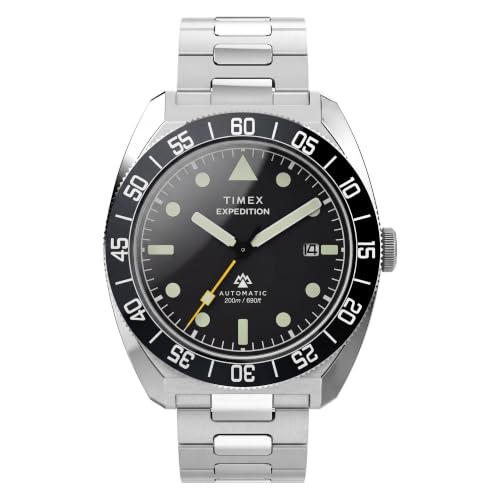
Pioneer vs Tsuyosa
Sapphire and 200m with 20mm lugs against a named hacking caliber and five years of cover.
Top pick
Timex Expedition Pioneer Automatic 41mm TW2Y87400
Keep Score 8.0/10
#ad Affiliate link · Price as of October 24, 2026
Khaki Field vs Pioneer
An 80-hour named Swiss caliber at 11mm against an unnamed automatic at 14mm and 200m.
Top pick
Hamilton Khaki Field Auto 38mm H70455533
Keep Score 8.6/10
#ad Affiliate link · Price as of October 24, 2026
Garrison vs Field Post
Super Titanium and five years against 36mm, 18mm lugs and a published lug-to-lug.
Top pick
Citizen Garrison BM8560-02X
Keep Score 7.2/10
#ad Affiliate link · Price as of October 24, 2026
Pioneer vs Seiko 5
Sapphire and 200m against a named caliber and a published overhaul price — a dead heat at 8.0 each.
Top pick
Timex Expedition Pioneer Automatic 41mm TW2Y87400
Keep Score 8.0/10
#ad Affiliate link · Price as of October 24, 2026
For large wrists
Field watches ranked on published lug-to-lug — the longest is a 41mm case at 50mm.
Top pick
Timex Expedition Field Post Titanium Automatic 41mm TW2Y90900
Keep Score 8.0/10
#ad Affiliate link · Price as of October 24, 2026
Khaki Field Ti vs Expedition Ti
The site's top-rated titanium watch against the one that is rated 200m for a third of the money.
Top pick
Timex Expedition Field Post Titanium Automatic 41mm TW2Y90900
Keep Score 8.0/10
#ad Affiliate link · Price as of October 24, 2026
This is the category where all three arguments are genuinely live, and the answer depends on what you mean by "lasts".
| Type | The case for it | The case against |
|---|---|---|
| Automatic | Rebuildable indefinitely; a named caliber means published service prices | Servicing every ~3 years at $176-296, which over twenty years exceeds the purchase price of most field watches |
| Hand-wound | Fewer parts, thinner case — Hamilton's H-50 is 9.5mm against 11mm for the automatic | You wind it every day or two, which is either a ritual or a chore depending on the person |
| Solar quartz | No batteries, no servicing, decades of use with zero running cost | The module is not rebuildable, so at end of life it is replaced rather than repaired |
For a strict buy-it-for-life reading, solar is the uncomfortable winner on running cost and the automatic wins on repairability. We rank both highly and say which is which rather than pretending there is one answer. The cost of ownership page has the arithmetic if you want to settle it yourself.
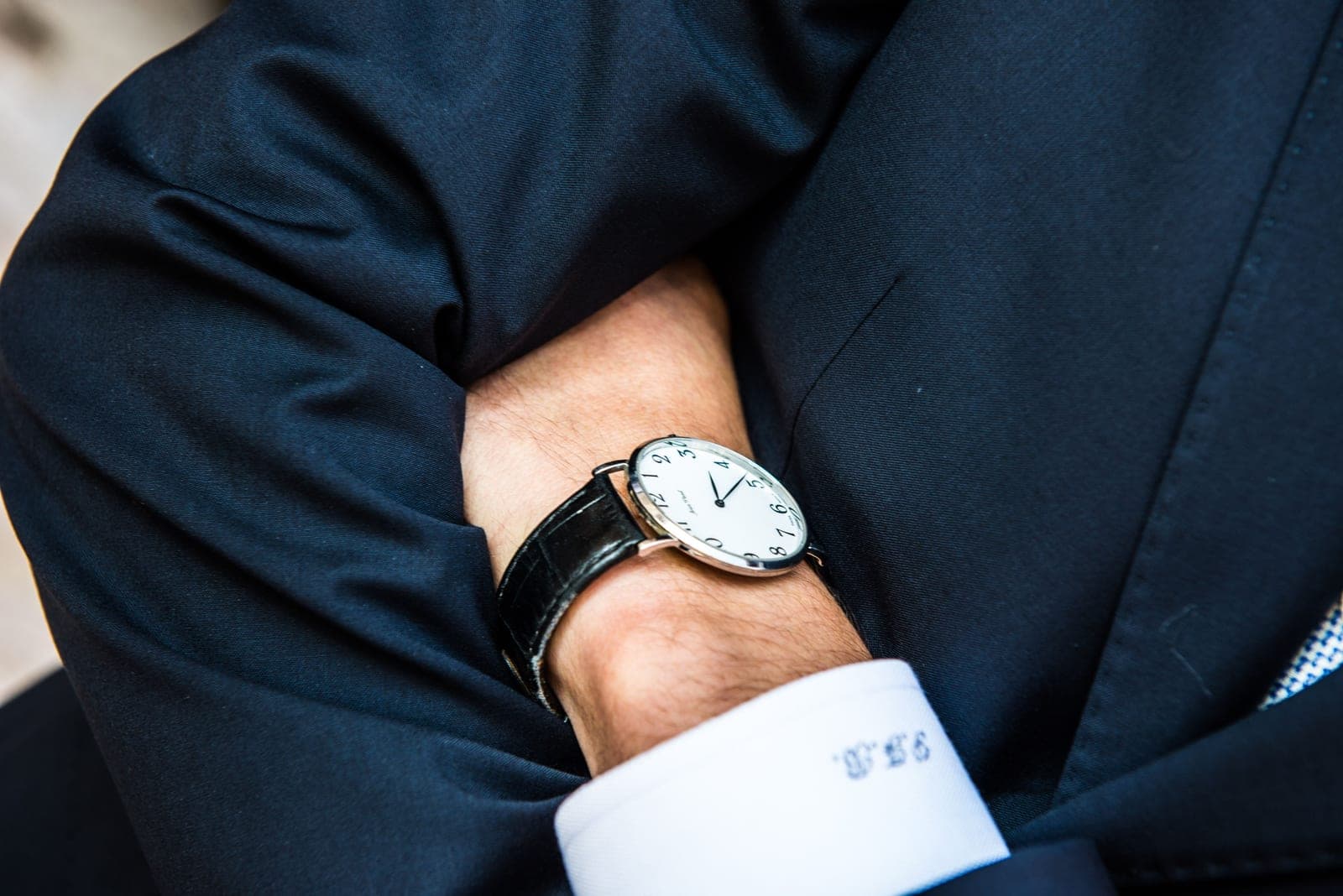
Against a dive watch: thinner, smaller, more legible, less water resistant, and it will slide under a cuff. Against a dress watch: tougher, more legible, less formal, and it will survive being worn every day — which a 30m dress watch will not. The field vs dress comparison puts the specifications side by side.
A high-contrast, fully-numeralled dial designed for fast reading, a case small enough not to catch on anything, luminous hands and markers, and enough water resistance to ignore weather. The military specifications that defined the category cared about nothing else.
They are the best category for it. Most run 36-40mm with lug-to-lug under 48mm — a Timex Expedition Field Post Solar is 36mm and 44.5mm lug-to-lug, which fits almost anyone. See the wider small-wrist guide for cross-category picks.
It is a daily habit of about ten seconds. Hamilton's H-50 runs 80 hours on a full wind, so missing a day does not stop it. The payoff is a noticeably thinner watch and a simpler mechanism.
A 38mm field watch on a leather strap works fine with a suit, if not with black tie. It is thinner than a diver and quieter than a chronograph, and the plain dial reads as understated rather than sporty.